
How Long Do PRP Injections Last? What the Research Shows

    PRP results can last 6 months to 2+ years depending on the condition and patient. Here's what clinical research says about PRP longevity and when to repeat treatment.
    March 6, 2026
    One of the most common questions patients ask before committing to PRP therapy is: how long will the results actually last? The answer depends on your condition, the severity of the damage, and biological factors you cannot control. But research gives us a reasonable range: most patients see meaningful benefits for 6 to 18 months, and some conditions show results lasting 2 years or more.
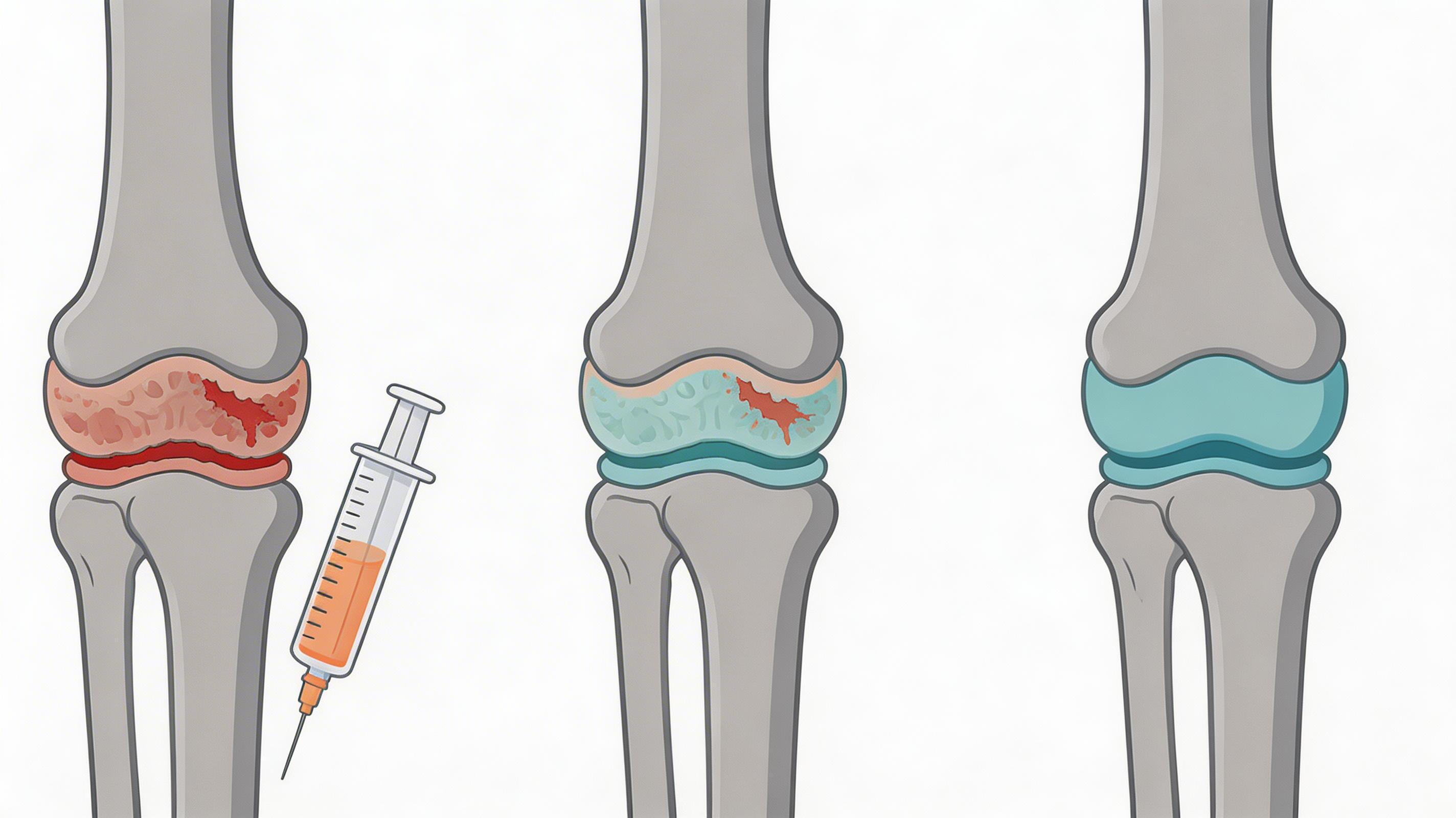
    How long PRP injection results last depends on condition severity and individual response
    How long PRP injection results last depends on condition severity and individual response

    How Long Do PRP Results Typically Last?

    For most orthopedic conditions, the research suggests PRP provides meaningful pain relief and functional improvement for 12 to 24 months. This is longer than cortisone (typically 4 to 12 weeks) and comparable to or better than hyaluronic acid injections for knee osteoarthritis.
    A 2017 meta-analysis in the American Journal of Sports Medicine1 found that PRP outperformed hyaluronic acid at both 6 and 12 months post-injection for knee OA. Patients in PRP groups reported sustained improvements in pain and function at the 12-month mark.
    A longer-term randomized controlled trial published in JAMA Network Open2 followed patients with knee osteoarthritis for 12 months and found PRP maintained significantly better outcomes than saline through the end of follow-up. Some studies with 2-year follow-up windows show sustained benefits, though the effect tends to diminish over time.
    ConditionTypical Duration of ResultsEvidence Quality
    Knee osteoarthritis12 – 24 monthsHigh (multiple RCTs)
    Lateral epicondylitis (tennis elbow)12 – 18 monthsModerate-High
    Plantar fasciitis6 – 12 monthsModerate
    Rotator cuff tendinopathy6 – 18 monthsModerate
    Achilles tendinopathy9 – 18 monthsModerate
    Hip osteoarthritis12 – 18 monthsModerate (limited data)
    Patellar tendinopathy9 – 18 monthsModerate

    Factors That Affect How Long PRP Lasts

    Not every patient experiences the same duration of benefit. Several factors influence longevity:
    Severity of the underlying condition. Early to moderate osteoarthritis or tendinopathy responds better and longer than advanced, end-stage disease. If cartilage or tendon tissue is severely damaged, PRP can reduce inflammation but cannot rebuild what is no longer there.
    Age and overall health. Younger, healthier patients with good baseline platelet function tend to see stronger platelet activation and longer-lasting tissue repair responses.
    Lifestyle factors after treatment. Continued high-impact activity on an injured joint can shorten results. Patients who follow post-injection activity guidelines and complete a rehabilitation program consistently report better and longer-lasting outcomes. See our PRP recovery guide for specifics.
    PRP preparation quality. Platelet concentration and the presence or absence of white blood cells affect the growth factor payload delivered to the tissue. Clinics using higher-quality, standardized protocols tend to produce more consistent results.

    How Does PRP Duration Compare to Cortisone?

    Cortisone injections provide faster initial relief — often within days — but the effect is usually short-lived. Most patients get 4 to 12 weeks of pain reduction, after which inflammation returns. Repeated cortisone injections can also degrade cartilage and tendon tissue over time.
    PRP takes longer to work (most patients feel meaningful improvement at 4 to 8 weeks) but the benefit lasts substantially longer and does not carry the cartilage degradation risk of steroids. For patients with knee osteoarthritis or chronic tendinopathy, this trade-off strongly favors PRP over the long term.
    A 2015 study in the American Journal of Sports Medicine3 comparing PRP to cortisone for lateral epicondylitis found that while cortisone produced better results at 4 weeks, PRP significantly outperformed cortisone at 6, 12, and 26 weeks. By the one-year mark, patients who received PRP had far superior outcomes.

    When Should You Consider a Repeat Injection?

    PRP is not a one-time permanent cure. Most patients will eventually experience some return of symptoms. The good news is that repeat PRP treatment is safe and well-tolerated.
    Most physicians recommend considering a repeat injection when: (1) your symptoms have returned to a level that limits your activity, (2) at least 6 to 12 months have passed since your last treatment, and (3) you have maximized conservative management (activity modification, physical therapy, NSAIDs).
    Some patients develop a multi-year maintenance pattern, getting a repeat course every 12 to 18 months. This is a reasonable strategy for managing chronic conditions like osteoarthritis while avoiding or delaying joint replacement. Learn more about the full PRP treatment process.

    Frequently Asked Questions

    Find Out If PRP Is Right for Your Condition

    A PRP specialist can evaluate your injury, recommend the right treatment protocol, and tell you what results to expect.

    Find a Provider

    Sources

    1. Shen L, Yuan T, Chen S, et al. The temporal effect of platelet-rich plasma on pain and physical function in the treatment of knee osteoarthritis: systematic review and meta-analysis of randomized controlled trials. J Orthop Surg Res. 2017;12(1):16. PubMed
    2. Bennell KL, Paterson KL, Metcalf BR, et al. Effect of Intra-articular Platelet-Rich Plasma vs Placebo Injection on Pain and Medial Tibial Cartilage Volume in Patients With Knee Osteoarthritis. JAMA Netw Open. 2021;4(9):e2119882. PubMed
    3. Mishra AK, Skrepnik NV, Edwards SG, et al. Efficacy of platelet-rich plasma for chronic tennis elbow. Am J Sports Med. 2014;42(2):463–471. doi:10.1177/0363546513494359. PubMed

    Related Articles

    Back to the Trails: A Runner's PRP Success Story

    How one marathon runner returned to competition after PRP treatment for plantar fasciitis.

    Does Insurance Cover PRP Injections? What Patients Need to Know

    Most insurance plans don't cover PRP therapy yet. Learn why, which exceptions exist, and how to use HSA/FSA funds or financing to manage the cost.

    How Many PRP Injections Do You Need? A Treatment Planning Guide

    Most patients need 1 to 3 PRP injections. Learn the standard treatment protocols by condition, what affects how many shots you need, and when to consider a second course.

    How Much Does PRP Therapy Cost? A Complete 2026 Guide

    Wondering what PRP therapy costs in 2026? Learn average prices by treatment area, what drives the cost, and how to make PRP affordable without insurance.

    My PRP Journey: From Chronic Pain to Active Living

    One patient shares their experience with PRP treatment for a rotator cuff injury.

    New Research Shows PRP Effective for Knee Osteoarthritis

    A comprehensive meta-analysis reveals promising outcomes for patients with moderate knee arthritis.

    Preparing for Your First PRP Injection

    Tips and guidelines to help you prepare for a successful PRP treatment session.

    PRP as an Alternative to Joint Replacement Surgery: Who Qualifies?

    Can PRP therapy help you avoid knee or hip replacement? Learn who qualifies for PRP as an alternative to surgery, what the evidence shows, and when surgery becomes necessary.

    PRP Injection Recovery: What to Expect in the Days and Weeks After

    What should you expect after a PRP injection? Here's a complete recovery timeline covering pain, activity restrictions, and tips that speed healing.

    PRP Injection Side Effects and Risks: What Patients Should Know

    PRP therapy is generally safe, but side effects do occur. Learn what's normal after an injection, which symptoms need attention, and how PRP risks compare to alternatives.

    Find a Specialist

    Connect with board-certified providers offering PRP therapy.