
My PRP Journey: From Chronic Pain to Active Living

    One patient shares their experience with PRP treatment for a rotator cuff injury.

    February 11, 2026
    For millions of Americans living with chronic musculoskeletal pain, the path to meaningful recovery often involves more than a single treatment. PRP therapy offers a regenerative approach that addresses the underlying biology of chronic degeneration, delivering growth factors that restart the body's own healing process in tissues that have become stuck in a degenerative cycle.
    Patient journey through chronic pain with PRP regenerative therapy
    Patient journey through chronic pain with PRP regenerative therapy

    Understanding Chronic Musculoskeletal Pain

    Pain becomes chronic, defined as persisting beyond 3–6 months, when the tissue healing process stalls or remains incomplete. Structures with limited blood supply such as tendons, cartilage, and ligaments are particularly vulnerable. Over time, unresolved injury leads to progressive degenerative changes: collagen breakdown, fibrous scar formation, calcification, and fatty infiltration. These structural changes are poorly responsive to anti-inflammatory treatments because active inflammation is no longer the primary driver, tissue degeneration is.

    How PRP Restarts Healing in Chronic Tissue
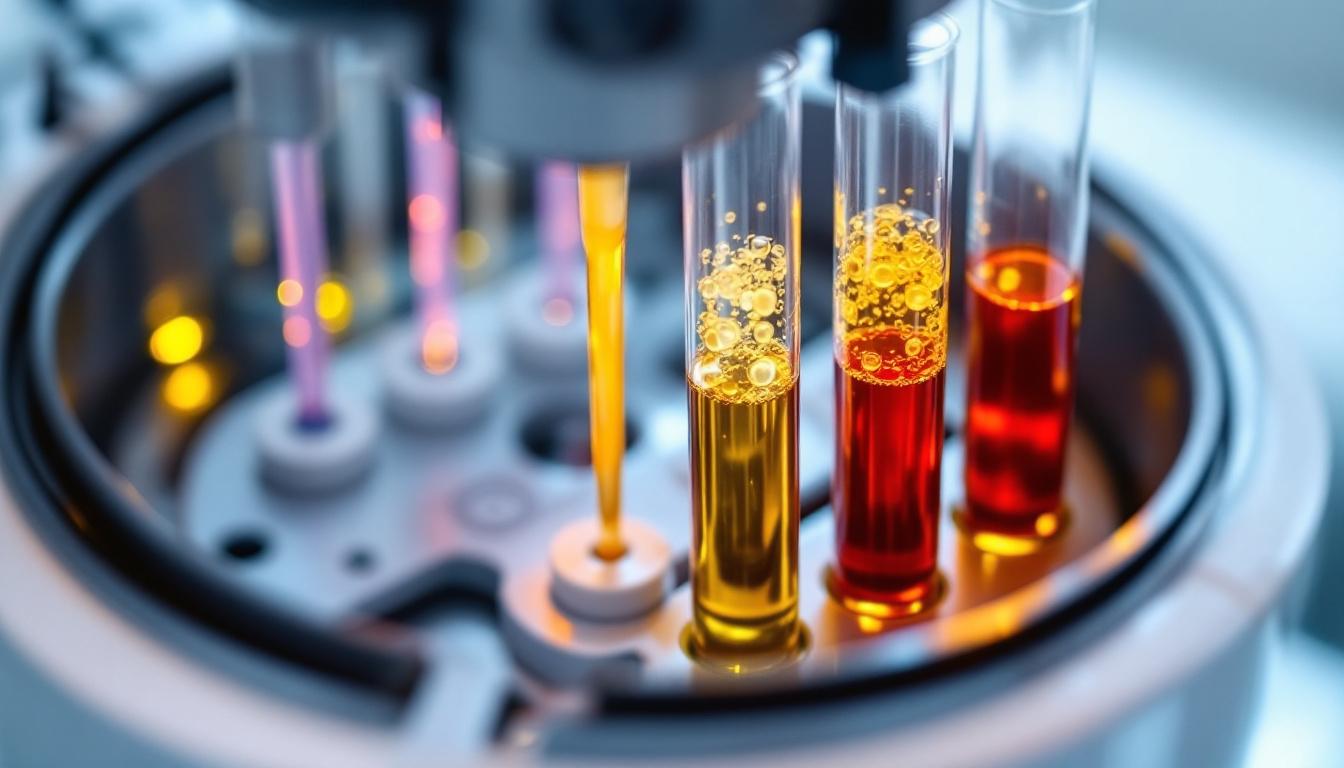
    PRP introduces a concentrated payload of growth factors, PDGF, TGF-β, VEGF, IGF-1, and EGF, directly into biologically stalled tissue. These bioactive proteins activate fibroblasts to synthesize new collagen, stimulate angiogenesis to restore blood supply, and recruit stem cells to initiate structural remodeling. In chronic degeneration, PRP effectively converts a quiescent tissue environment back into an active regenerative state, the fundamental biological shift needed for lasting recovery.
    PRP growth factor therapy for chronic musculoskeletal regeneration
    PRP growth factor therapy for chronic musculoskeletal regeneration

    Clinical Evidence for PRP in Chronic Conditions

    A comprehensive systematic review of PRP outcomes across multiple chronic musculoskeletal conditions found that appropriately selected patients consistently reported significant pain reduction and functional improvement compared to cortisone, hyaluronic acid, or saline control injections at 6 and 12 months.[1] Meta-analyses of chronic tendinopathy show PRP producing clinically meaningful improvements in 70–85% of patients, with a significantly lower re-treatment rate compared to corticosteroid injection at 2-year follow-up.[2]

    The PRP Treatment Series: What Chronic Pain Patients Should Know

    For most chronic musculoskeletal conditions, a series of 2–3 PRP injections spaced 4–6 weeks apart produces better outcomes than a single injection. This protocol reflects the staged nature of tissue repair, each injection builds on the regenerative environment established by the previous treatment. Clinical protocols typically include a structured physical therapy program beginning 2–4 weeks after the first injection, as rehabilitation significantly enhances tissue remodeling and functional recovery. Patients who combine PRP with consistent rehabilitation and activity modification achieve the most durable long-term outcomes.

    Setting Realistic Expectations: Timeline and Results

    PRP works through biological processes that take time. Initial soreness lasting 3–7 days after each injection is a positive sign that the healing response has activated. Meaningful pain reduction and functional improvement typically begin at 4–8 weeks, with continued progress through 3–6 months. Clinical studies consistently report that 70–85% of appropriately selected patients experience meaningful improvement at 12 months, with many maintaining benefits at 2-year follow-up without re-injection. Learn more about our complete PRP treatment process →

    Sources

    1. PubMed PMID 26219700, Systematic review: PRP clinical outcomes for chronic musculoskeletal conditions
    2. PubMed PMID 30843352, Meta-analysis: PRP vs corticosteroid for chronic tendinopathy, long-term follow-up
    This content is for informational purposes only and does not constitute medical advice. Consult a qualified healthcare provider before beginning any treatment program.
    Treatment PhaseTimelineWhat HappensPatient ExperienceKey Milestone
    Consultation & EvaluationWeek 1Imaging review, diagnosis confirmation, candidacy assessmentLow-impact office visit; questions answeredTreatment plan established
    Blood Draw & ProcessingDay of injection30–60 mL blood drawn; centrifuged 15–20 minMild arm discomfort; brief waitPRP concentrate ready for injection
    Injection & Immediate RecoveryDay 1–7Guided injection; activity restriction beginsSoreness and mild swelling expectedHealing cascade initiated
    Early Healing PhaseWeeks 2–6Growth factors stimulate tissue repair; inflammation peaks then resolvesGradual symptom improvement beginsFirst measurable pain reduction
    Remodeling & StrengtheningMonths 2–6Collagen remodeling; tissue strength improves; physical therapy integratedProgressive return to activityFull functional benefit achieved

    Frequently Asked Questions

    Start Your PRP Journey Today

    Find an experienced orthopedic PRP provider who can guide you through every step of treatment.

    Find a PRP Provider

    Related Articles

    Back to the Trails: A Runner's PRP Success Story

    How one marathon runner returned to competition after PRP treatment for plantar fasciitis.

    Does Insurance Cover PRP Injections? What Patients Need to Know

    Most insurance plans don't cover PRP therapy yet. Learn why, which exceptions exist, and how to use HSA/FSA funds or financing to manage the cost.

    How Long Do PRP Injections Last? What the Research Shows

    PRP results can last 6 months to 2+ years depending on the condition and patient. Here's what clinical research says about PRP longevity and when to repeat treatment.

    How Many PRP Injections Do You Need? A Treatment Planning Guide

    Most patients need 1 to 3 PRP injections. Learn the standard treatment protocols by condition, what affects how many shots you need, and when to consider a second course.

    How Much Does PRP Therapy Cost? A Complete 2026 Guide

    Wondering what PRP therapy costs in 2026? Learn average prices by treatment area, what drives the cost, and how to make PRP affordable without insurance.

    New Research Shows PRP Effective for Knee Osteoarthritis

    A comprehensive meta-analysis reveals promising outcomes for patients with moderate knee arthritis.

    Preparing for Your First PRP Injection

    Tips and guidelines to help you prepare for a successful PRP treatment session.

    PRP as an Alternative to Joint Replacement Surgery: Who Qualifies?

    Can PRP therapy help you avoid knee or hip replacement? Learn who qualifies for PRP as an alternative to surgery, what the evidence shows, and when surgery becomes necessary.

    PRP Injection Recovery: What to Expect in the Days and Weeks After

    What should you expect after a PRP injection? Here's a complete recovery timeline covering pain, activity restrictions, and tips that speed healing.

    PRP Injection Side Effects and Risks: What Patients Should Know

    PRP therapy is generally safe, but side effects do occur. Learn what's normal after an injection, which symptoms need attention, and how PRP risks compare to alternatives.

    Find a Specialist

    Connect with board-certified providers offering PRP therapy.