
New Research Shows PRP Effective for Knee Osteoarthritis

    A comprehensive meta-analysis reveals promising outcomes for patients with moderate knee arthritis.

    February 11, 2026
    The evidence supporting PRP for knee osteoarthritis has expanded dramatically over the past decade. Multiple randomized controlled trials, systematic reviews, and meta-analyses now establish PRP as one of the most rigorously studied regenerative injection therapies in orthopedic medicine, with a growing body of data demonstrating meaningful pain reduction and functional improvement beyond what cortisone or hyaluronic acid achieve at 12 months.
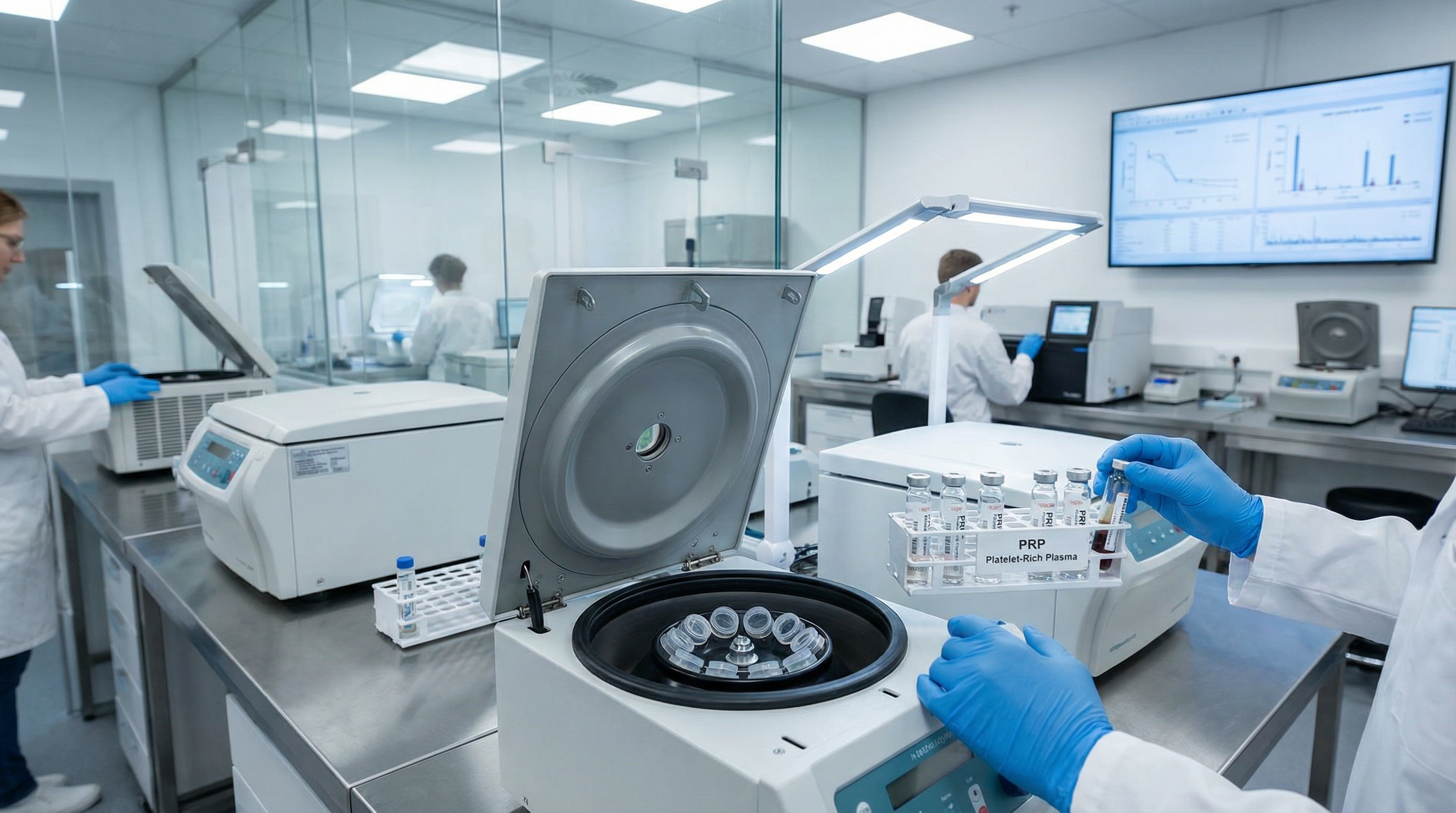
    Orthopedic research on knee osteoarthritis and PRP injection outcomes
    Orthopedic research on knee osteoarthritis and PRP injection outcomes

    Knee Osteoarthritis: Why Standard Treatments Fall Short

    Knee osteoarthritis is a degenerative joint disease characterized by progressive cartilage breakdown, synovial inflammation, subchondral bone remodeling, and loss of joint space. Affecting over 32 million Americans, knee OA is one of the leading causes of disability and reduced quality of life. Conventional injectable treatments, corticosteroids and hyaluronic acid, address symptoms without slowing or reversing the underlying degenerative process. As disease advances, these treatments provide diminishing returns and patients face the prospect of total knee replacement surgery.

    Why PRP Is Biologically Suited for Knee OA
    Articular cartilage is avascular and has extremely limited regenerative capacity under normal conditions. PRP compensates by delivering concentrated growth factors, PDGF, TGF-β1, VEGF, IGF-1, and HGF, that activate chondrocyte proliferation, suppress matrix metalloproteinases (MMPs) that drive cartilage breakdown, reduce synovial inflammation, and stimulate production of proteoglycans and Type II collagen essential for cartilage health. These combined mechanisms target the core pathophysiology of knee OA rather than simply masking pain.
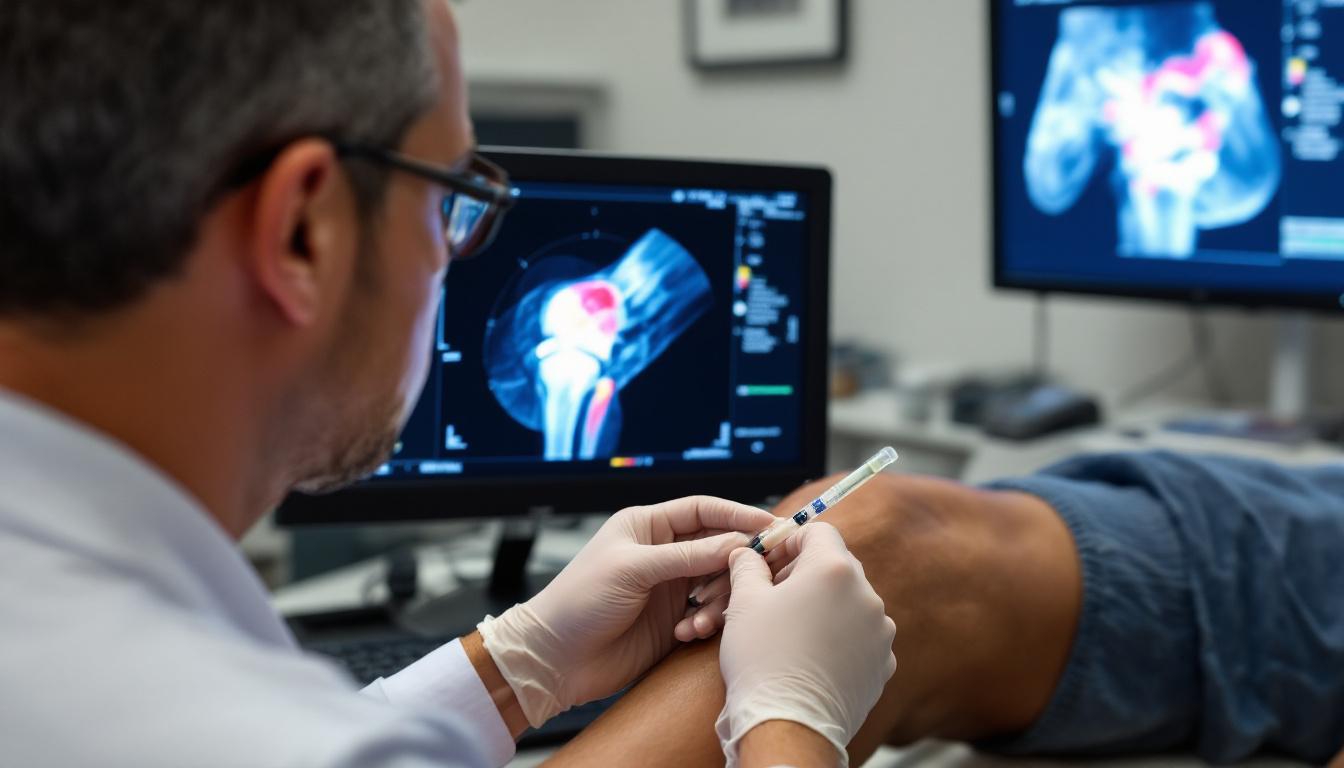
    PRP cartilage regeneration mechanism for knee osteoarthritis treatment
    PRP cartilage regeneration mechanism for knee osteoarthritis treatment

    What Major Clinical Studies Show

    A 2016 systematic review and meta-analysis of over 1,400 patients found that intra-articular PRP produced statistically significant improvements in pain and function compared to placebo, hyaluronic acid, and corticosteroid at 3, 6, and 12 months.[1] A 2018 systematic review of 14 randomized controlled trials confirmed PRP's superiority over hyaluronic acid for knee OA, with the benefit most pronounced in patients with mild to moderate disease (Kellgren-Lawrence grade 1–3).[2] A 2022 comparative study further demonstrated PRP's disease-modifying potential, with imaging evidence of reduced cartilage degradation in PRP-treated knees versus progressive loss in control groups.[3]

    PRP vs. Hyaluronic Acid and Corticosteroids for Knee Pain

    Head-to-head trials consistently favor PRP over hyaluronic acid, particularly at 6- and 12-month follow-up. The advantage appears most significant in younger patients and those with milder disease. Compared to corticosteroid, PRP provides slower initial relief but substantially better outcomes at 6 and 12 months, with PRP patients maintaining gains while cortisone patients experience progressive return of symptoms. Unlike repeated cortisone, PRP does not carry risks of cartilage acceleration or adverse effects on subchondral bone integrity.

    Patient Selection and Clinical Protocol

    PRP is most appropriate for patients with Kellgren-Lawrence grade 1–3 knee OA who have not achieved adequate relief from conservative measures including weight management, physical therapy, and NSAIDs. Younger patients (typically under age 65) and those with preserved joint space tend to respond best. Severe (grade 4) OA with significant joint space narrowing shows more modest PRP benefit. A standard protocol involves 1–3 injections spaced 3–6 weeks apart, followed by a structured rehabilitation program to optimize joint mechanics and functional recovery. Learn more about our complete PRP treatment process →

    Sources

    1. PubMed PMID 26908603, Systematic review and meta-analysis: PRP for knee osteoarthritis outcomes (2016)
    2. PubMed PMID 30376652, Systematic review: PRP vs hyaluronic acid for knee OA, 14 RCTs (2018)
    3. PubMed PMID 36241263, Comparative study: PRP disease-modifying effects in knee osteoarthritis (2022)
    This content is for informational purposes only and does not constitute medical advice. Consult a qualified healthcare provider before beginning any treatment program.
    Evidence SourcePatient PopulationPRP ProtocolPrimary FindingStudy Duration
    Meta-analysis (23 RCTs, 2022)Mild-to-moderate KOA (KL Grade I–III)1–3 injections, 2–4 weeks apartSignificantly superior pain and function vs. hyaluronic acid6–24 months
    Phase III RCT (Hurley et al.)Moderate KOA with persistent pain2 injections, 3 weeks apart78% responder rate; 56% pain reduction at 12 months12 months
    Comparative Cohort StudyKOA Grade II–IVSingle vs. 3-injection series3-injection series showed 35% greater KOOS improvement6 months

    Frequently Asked Questions

    Find a Knee PRP Specialist Near You

    Locate experienced orthopedic providers offering evidence-based PRP for knee osteoarthritis.

    Search PRP Providers

    Related Articles

    Back to the Trails: A Runner's PRP Success Story

    How one marathon runner returned to competition after PRP treatment for plantar fasciitis.

    Does Insurance Cover PRP Injections? What Patients Need to Know

    Most insurance plans don't cover PRP therapy yet. Learn why, which exceptions exist, and how to use HSA/FSA funds or financing to manage the cost.

    How Long Do PRP Injections Last? What the Research Shows

    PRP results can last 6 months to 2+ years depending on the condition and patient. Here's what clinical research says about PRP longevity and when to repeat treatment.

    How Many PRP Injections Do You Need? A Treatment Planning Guide

    Most patients need 1 to 3 PRP injections. Learn the standard treatment protocols by condition, what affects how many shots you need, and when to consider a second course.

    How Much Does PRP Therapy Cost? A Complete 2026 Guide

    Wondering what PRP therapy costs in 2026? Learn average prices by treatment area, what drives the cost, and how to make PRP affordable without insurance.

    My PRP Journey: From Chronic Pain to Active Living

    One patient shares their experience with PRP treatment for a rotator cuff injury.

    Preparing for Your First PRP Injection

    Tips and guidelines to help you prepare for a successful PRP treatment session.

    PRP as an Alternative to Joint Replacement Surgery: Who Qualifies?

    Can PRP therapy help you avoid knee or hip replacement? Learn who qualifies for PRP as an alternative to surgery, what the evidence shows, and when surgery becomes necessary.

    PRP Injection Recovery: What to Expect in the Days and Weeks After

    What should you expect after a PRP injection? Here's a complete recovery timeline covering pain, activity restrictions, and tips that speed healing.

    PRP Injection Side Effects and Risks: What Patients Should Know

    PRP therapy is generally safe, but side effects do occur. Learn what's normal after an injection, which symptoms need attention, and how PRP risks compare to alternatives.

    Find a Specialist

    Connect with board-certified providers offering PRP therapy.