Back to the Trails: A Runner's PRP Success Story

    How one marathon runner returned to competition after PRP treatment for plantar fasciitis.

    February 11, 2026
    Distance runners and endurance athletes place repetitive stress on tendons and connective tissue that often leads to chronic injuries resistant to standard treatment. PRP therapy has emerged as one of the most effective regenerative options for common running-related conditions, offering lasting relief by stimulating the biological repair pathways that repetitive loading disrupts.
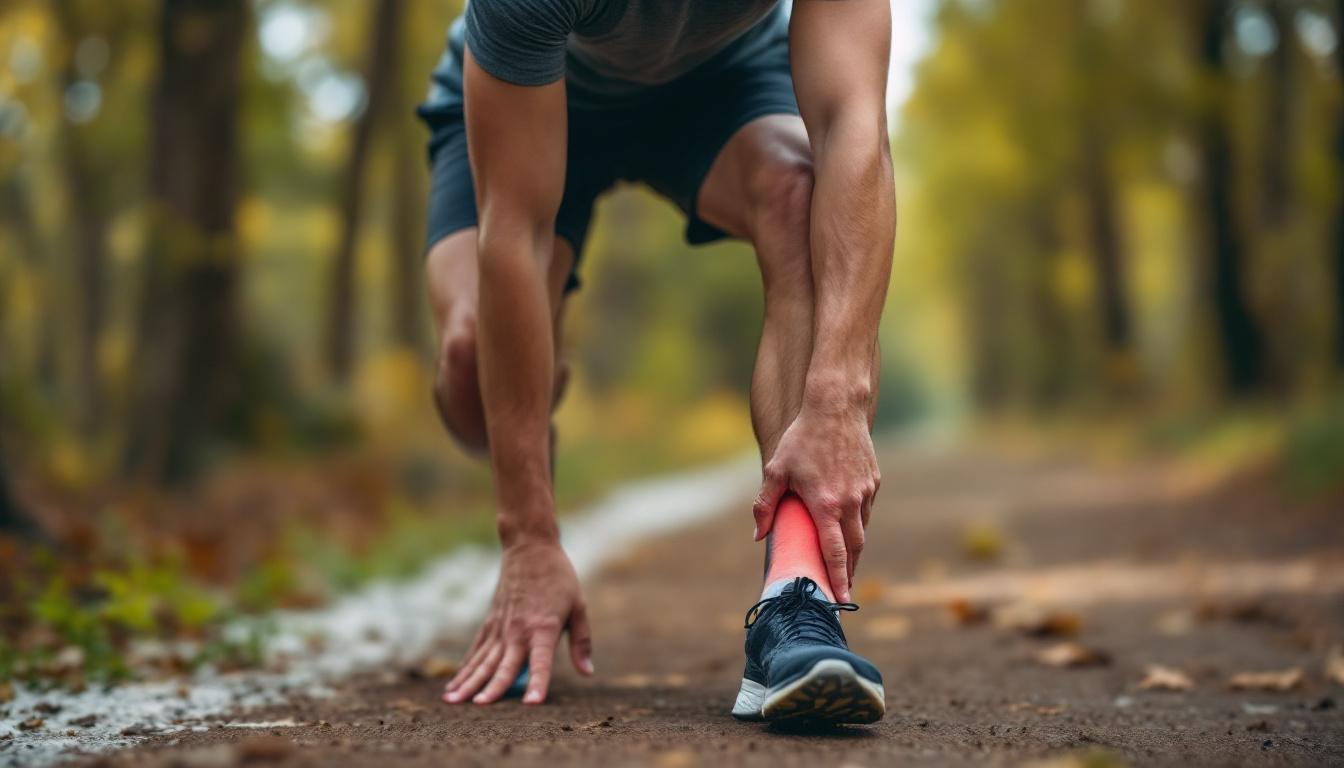
    Runner experiencing the chronic tendon pain that PRP therapy is designed to treat
    Runner experiencing the chronic tendon pain that PRP therapy is designed to treat

    Common Running Injuries Treated with PRP

    Runners are prone to tendinopathies and overuse injuries including Achilles tendinopathy, patellar tendinopathy (runner's knee), iliotibial band syndrome, and plantar fasciitis. These conditions share a common pathology: repetitive microtrauma overwhelms the tendon's repair capacity, leading to collagen disorganization, pain, and loss of function.
    Standard treatments including rest, physical therapy, and anti-inflammatory medications address symptoms without resolving the underlying degenerative process. PRP targets the biology directly, delivering platelet-derived growth factors that restart collagen synthesis and tissue remodeling at the injury site.

    Why PRP Works Well for Running Injuries

    Running injuries primarily involve tendinopathy, a degenerative rather than inflammatory condition. This distinction matters clinically: cortisone injections, which suppress inflammation, provide limited benefit for tendinopathy and can further weaken already compromised tissue.
    PRP concentrates platelets 5–10 times above baseline and delivers them under ultrasound guidance directly into the affected tendon. The resulting growth factor release, PDGF, TGF-beta, VEGF, IGF-1, stimulates tenocyte activity, collagen cross-linking, and new vessel formation, restoring the structural integrity that training can then rebuild upon.
    Runner successfully returning to training after PRP treatment for tendinopathy
    Runner successfully returning to training after PRP treatment for tendinopathy

    Clinical Evidence in Runners and Athletes

    A well-known randomized trial by de Vos et al. published in JAMA (PMID 20124344) compared PRP to saline injection in patients with chronic Achilles tendinopathy. PRP-treated athletes showed significantly better tendon structure on ultrasound at 24 weeks and returned to sport faster than the control group.
    A 2017 meta-analysis evaluating PRP for lower-extremity tendinopathy (PMID 27892418) found consistent improvements in pain scores and functional outcomes compared to placebo, with the strongest effects observed at 12 or more weeks, the timeframe most relevant to runners managing return-to-sport decisions.

    What Runners Can Expect: Recovery Timeline

    Most runners require 1–2 PRP injections spaced 4–6 weeks apart, depending on the severity of the tendinopathy. The first 2–4 weeks typically involve temporary soreness as the growth factor cascade initiates healing. Modified training, aqua jogging, cycling, or swimming, is recommended during this period.
    Progressive return to running typically begins at 4–6 weeks post-injection, with full competitive training resumption at 8–12 weeks. Unlike cortisone, which may allow earlier return but carries re-injury risk, PRP's biological repair approach reduces the likelihood of recurrence in appropriately rested patients.

    Am I a Candidate for PRP?

    Runners with Achilles tendinopathy, plantar fasciitis, patellar tendinopathy, or IT band syndrome lasting more than 6–8 weeks despite physical therapy and relative rest are typically good candidates. The treatment is most effective when imaging confirms tendinopathy without complete tendon rupture.
    Athletes who have previously received cortisone injections with diminishing returns, or those concerned about the tissue-weakening effects of repeated corticosteroids, are ideal candidates for PRP as a more durable, regenerative alternative.

    Sources

    1. de Vos RJ, et al. Platelet-rich plasma injection for chronic Achilles tendinopathy: a randomized controlled trial. JAMA. 2010;303(2):144-149. PMID 20124344
    2. Meta-analysis of PRP for lower-extremity tendinopathy. PMID 27892418
    Disclaimer: This content is for informational purposes only and does not constitute medical advice. Consult a qualified healthcare provider before pursuing any treatment.
    Running InjuryPRP ApplicationRecovery TimelineSuccess RateReturn to Running
    Achilles TendinopathyIntratendinous injection under ultrasound guidance8–14 weeks75–85% report significant improvementGradual return starting week 6–8
    Plantar FasciitisFascial injection at calcaneal insertion6–10 weeks70–80% achieve sustained relief at 12 monthsWalk-to-run protocol from week 4
    IT Band SyndromeLateral knee bursa and band injection4–8 weeks65–75% improvement in chronic casesReturn to easy running by week 4–6
    Patellar TendinopathyPatellar tendon injection under guidance8–12 weeks70–80% functional improvementSport-specific loading from week 8

    Frequently Asked Questions

    Get Back to Running With PRP

    Find an orthopedic PRP specialist experienced in treating runners and endurance athletes.

    Find a Sports PRP Provider

    Related Articles

    Does Insurance Cover PRP Injections? What Patients Need to Know

    Most insurance plans don't cover PRP therapy yet. Learn why, which exceptions exist, and how to use HSA/FSA funds or financing to manage the cost.

    How Long Do PRP Injections Last? What the Research Shows

    PRP results can last 6 months to 2+ years depending on the condition and patient. Here's what clinical research says about PRP longevity and when to repeat treatment.

    How Many PRP Injections Do You Need? A Treatment Planning Guide

    Most patients need 1 to 3 PRP injections. Learn the standard treatment protocols by condition, what affects how many shots you need, and when to consider a second course.

    How Much Does PRP Therapy Cost? A Complete 2026 Guide

    Wondering what PRP therapy costs in 2026? Learn average prices by treatment area, what drives the cost, and how to make PRP affordable without insurance.

    My PRP Journey: From Chronic Pain to Active Living

    One patient shares their experience with PRP treatment for a rotator cuff injury.

    New Research Shows PRP Effective for Knee Osteoarthritis

    A comprehensive meta-analysis reveals promising outcomes for patients with moderate knee arthritis.

    Preparing for Your First PRP Injection

    Tips and guidelines to help you prepare for a successful PRP treatment session.

    PRP as an Alternative to Joint Replacement Surgery: Who Qualifies?

    Can PRP therapy help you avoid knee or hip replacement? Learn who qualifies for PRP as an alternative to surgery, what the evidence shows, and when surgery becomes necessary.

    PRP Injection Recovery: What to Expect in the Days and Weeks After

    What should you expect after a PRP injection? Here's a complete recovery timeline covering pain, activity restrictions, and tips that speed healing.

    PRP Injection Side Effects and Risks: What Patients Should Know

    PRP therapy is generally safe, but side effects do occur. Learn what's normal after an injection, which symptoms need attention, and how PRP risks compare to alternatives.

    Find a Specialist

    Connect with board-certified providers offering PRP therapy.