
How Many PRP Injections Do You Need? A Treatment Planning Guide

    Most patients need 1 to 3 PRP injections. Learn the standard treatment protocols by condition, what affects how many shots you need, and when to consider a second course.
    March 6, 2026
    One of the most practical questions patients ask before starting PRP is: how many injections will I actually need? The answer varies by condition, but most patients need between one and three injections. Some conditions respond well to a single shot; others require a series. Here is a plain-language breakdown of current treatment protocols.
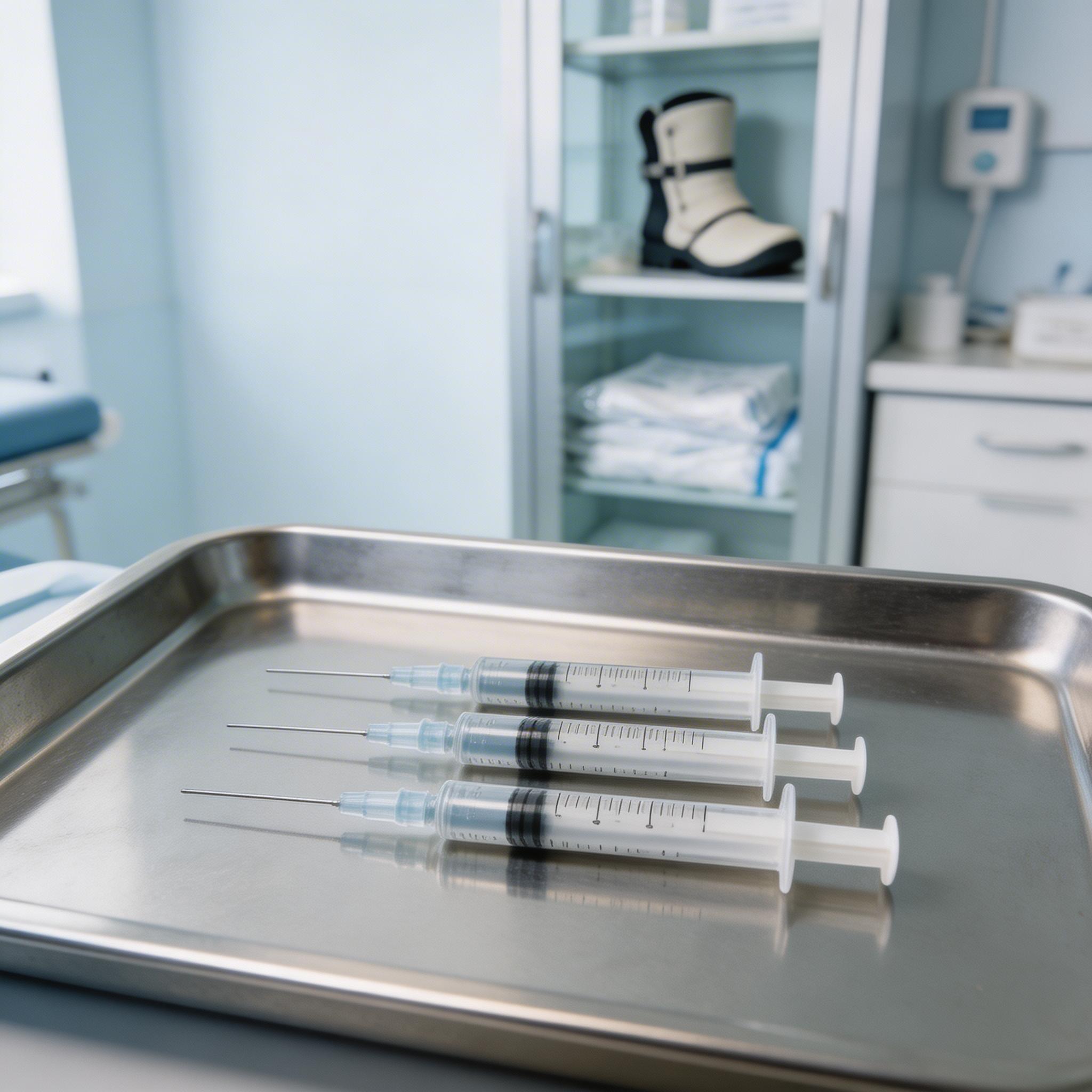
    The number of PRP injections needed varies by condition, typically ranging from one to three
    The number of PRP injections needed varies by condition, typically ranging from one to three

    How Many PRP Injections Are Typical?

    The most common PRP protocol calls for 1 to 3 injections, spaced 4 to 6 weeks apart. This series approach allows each injection to build on the healing response initiated by the previous one.
    A 2017 systematic review in the Journal of Orthopaedic Surgery and Research1 found that most high-quality randomized controlled trials used 1 to 3 injections as the treatment protocol, with single injections being the most common study design for knee osteoarthritis and a series of 3 being more typical for tendinopathy studies.
    Research on whether more injections produce better outcomes has yielded mixed results. Some studies show a dose-response relationship — more injections, better outcomes — while others find diminishing returns after the first or second injection. Current clinical consensus leans toward starting with 1 injection, evaluating at 6 to 8 weeks, and adding a second or third only if the response is partial rather than complete.
    ConditionTypical ProtocolNotes
    Knee osteoarthritis1 – 3 injections, 4–6 wks apartStrong evidence for 1–3; re-evaluate after first
    Tennis elbow (lateral epicondylitis)1 – 2 injectionsStudies support 1 well-placed injection
    Rotator cuff tendinopathy2 – 3 injectionsSeries preferred for partial tears
    Achilles tendinopathy2 – 3 injectionsTendon healing benefits from multiple exposures
    Plantar fasciitis1 – 2 injectionsSingle injection often sufficient
    Hip osteoarthritis1 – 3 injectionsLimited data; knee protocol often followed
    Patellar tendinopathy2 – 3 injectionsHigher-load tendons benefit from a series

    What Affects How Many Injections You Need?

    Several clinical factors influence the recommended number of injections:
    Severity of the condition. Mild to moderate osteoarthritis or tendinopathy often responds adequately to a single injection. Advanced disease with significant structural changes may require a full series of three.
    Duration of the problem. Chronic conditions (symptoms present for more than 6 months) typically require more treatment cycles than acute or subacute injuries.
    Response to the first injection. Most physicians evaluate outcomes at 6 to 8 weeks after the first injection before deciding on additional treatment. A 50% or greater reduction in pain and measurable functional improvement often indicates a single injection was sufficient.
    PRP formulation used. Higher-concentration PRP may achieve similar outcomes with fewer injections compared to lower-concentration preparations. Your provider's protocol and equipment affect this variable.

    What About Repeat Courses?

    Initial treatment and long-term maintenance are two different questions. Most patients who respond well to an initial course of 1 to 3 injections will eventually experience some return of symptoms, typically after 12 to 24 months. At that point, a repeat treatment course is a reasonable option.
    Repeat PRP treatment is safe. There is no evidence that multiple courses over years cause harm. Many patients with chronic knee osteoarthritis or tendinopathy develop a long-term maintenance pattern, returning for a repeat course annually or every 18 months rather than pursuing more invasive options like joint replacement.
    For more context on how long PRP benefits last and when to expect them to fade, see our guide on how long PRP injections last.

    Frequently Asked Questions

    Get a Personalized Treatment Plan

    A PRP specialist can evaluate your condition and recommend the right number of injections for your specific needs.

    Find a PRP Provider

    Sources

    1. Shen L, Yuan T, Chen S, et al. The temporal effect of platelet-rich plasma on pain and physical function in the treatment of knee osteoarthritis: systematic review and meta-analysis of randomized controlled trials. J Orthop Surg Res. 2017;12(1):16. PubMed
    2. Filardo G, Di Matteo B, Di Martino A, et al. Platelet-rich plasma intra-articular knee injections show no superiority versus viscosupplementation: a randomized controlled trial. Am J Sports Med. 2015;43(7):1575–1582. PubMed

    Related Articles

    Back to the Trails: A Runner's PRP Success Story

    How one marathon runner returned to competition after PRP treatment for plantar fasciitis.

    Does Insurance Cover PRP Injections? What Patients Need to Know

    Most insurance plans don't cover PRP therapy yet. Learn why, which exceptions exist, and how to use HSA/FSA funds or financing to manage the cost.

    How Long Do PRP Injections Last? What the Research Shows

    PRP results can last 6 months to 2+ years depending on the condition and patient. Here's what clinical research says about PRP longevity and when to repeat treatment.

    How Much Does PRP Therapy Cost? A Complete 2026 Guide

    Wondering what PRP therapy costs in 2026? Learn average prices by treatment area, what drives the cost, and how to make PRP affordable without insurance.

    My PRP Journey: From Chronic Pain to Active Living

    One patient shares their experience with PRP treatment for a rotator cuff injury.

    New Research Shows PRP Effective for Knee Osteoarthritis

    A comprehensive meta-analysis reveals promising outcomes for patients with moderate knee arthritis.

    Preparing for Your First PRP Injection

    Tips and guidelines to help you prepare for a successful PRP treatment session.

    PRP as an Alternative to Joint Replacement Surgery: Who Qualifies?

    Can PRP therapy help you avoid knee or hip replacement? Learn who qualifies for PRP as an alternative to surgery, what the evidence shows, and when surgery becomes necessary.

    PRP Injection Recovery: What to Expect in the Days and Weeks After

    What should you expect after a PRP injection? Here's a complete recovery timeline covering pain, activity restrictions, and tips that speed healing.

    PRP Injection Side Effects and Risks: What Patients Should Know

    PRP therapy is generally safe, but side effects do occur. Learn what's normal after an injection, which symptoms need attention, and how PRP risks compare to alternatives.

    Find a Specialist

    Connect with board-certified providers offering PRP therapy.