
Preparing for Your First PRP Injection

    Tips and guidelines to help you prepare for a successful PRP treatment session.

    February 11, 2026
    Preparing properly for your first PRP injection helps ensure the safest procedure and the best possible outcome. Knowing what to avoid beforehand, what to expect on the day of treatment, and how to care for the injection site afterward can make a meaningful difference in your recovery and results.
    Patient preparing for PRP injection consultation
    Patient preparing for PRP injection consultation

    Before Your PRP Appointment

    Stop anti-inflammatory medications (NSAIDs such as ibuprofen, naproxen, and aspirin) at least 7 days before your injection. These medications interfere with platelet activation and can reduce the effectiveness of PRP. Avoid corticosteroid injections in the target area for at least 4–6 weeks prior to your appointment. Do not smoke or use tobacco products in the days before your procedure, as nicotine impairs platelet function and tissue healing. Stay well hydrated in the 24 hours before your appointment to facilitate a smooth blood draw. Continue all essential medications such as blood pressure or heart medications as prescribed, and inform your physician of all medications and supplements you are currently taking.
    On the day of your appointment, wear comfortable, loose-fitting clothing that allows easy access to the treatment area. Eat a light meal beforehand to avoid lightheadedness during the blood draw, and bring a list of your current medications.

    What Happens on the Day of Your PRP Injection
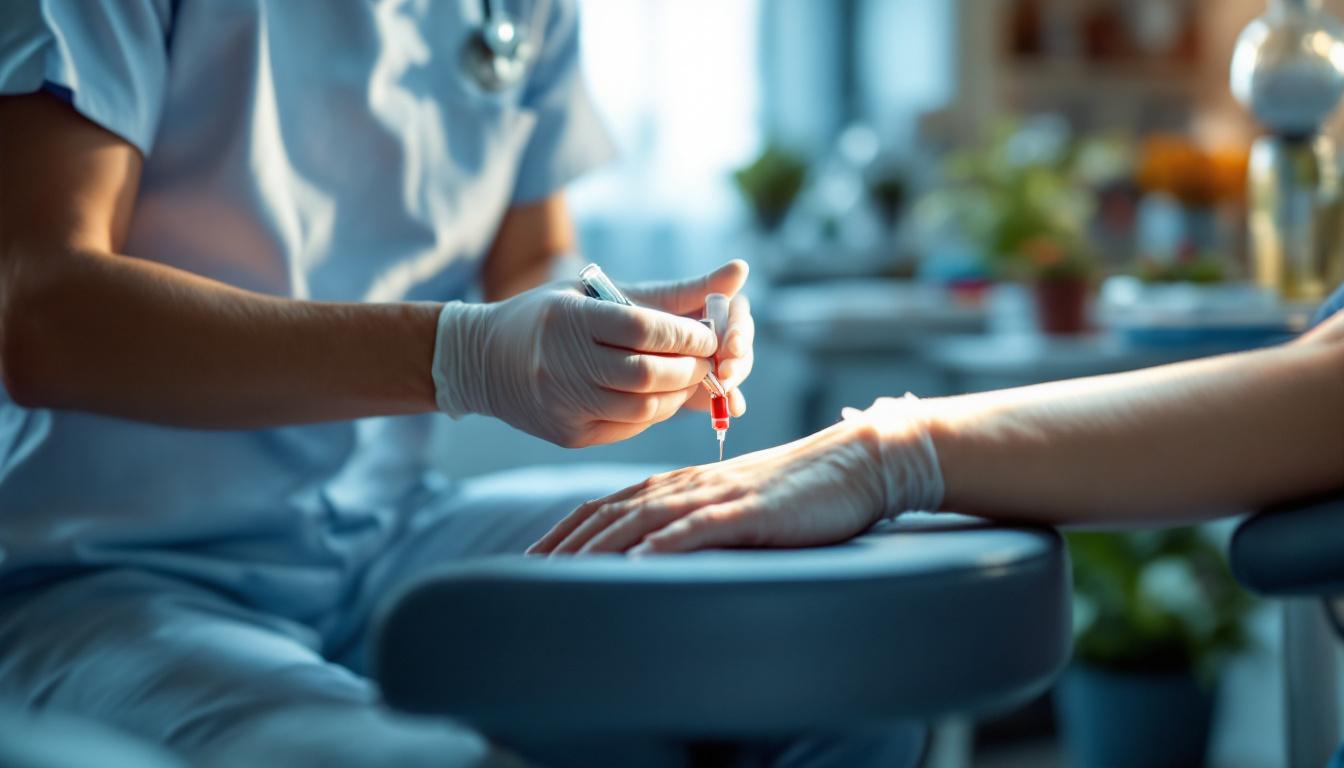
    Your appointment typically takes 45–90 minutes from start to finish. A small amount of blood, usually 15–60 mL depending on the injection protocol, is drawn from your arm. The blood is placed into a centrifuge that spins at high speed to separate its components, concentrating the platelets into a small volume of plasma. This process takes approximately 10–15 minutes. The prepared PRP concentrate is then loaded into a syringe. Your physician will cleanse the injection site and, for most musculoskeletal injections, use ultrasound guidance to deliver the PRP precisely to the injured tissue. The injection itself takes only a few seconds.
    Centrifuge processing blood for PRP concentrate preparation
    Centrifuge processing blood for PRP concentrate preparation

    After Your PRP Injection: The First 48 Hours

    Mild to moderate soreness at the injection site is normal and expected for 3–7 days after the procedure. This is a sign that the healing response has been activated, not an indication that something went wrong. You may apply ice wrapped in a cloth for 10–15 minutes at a time to reduce discomfort. Avoid NSAIDs and anti-inflammatory medications for at least 4–6 weeks after your injection, these counteract the inflammatory healing cascade that PRP initiates. Acetaminophen (Tylenol) is safe for pain management if needed. Avoid soaking the injection site in water (pools, baths, hot tubs) for 48 hours after treatment.

    Recovery and Activity Guidelines

    Most patients can return to light daily activities within 24–48 hours. Avoid strenuous exercise, heavy lifting, and impact activities involving the treated area for at least 2–4 weeks, or as directed by your physician. Physical therapy or a structured home rehabilitation program is typically recommended beginning 2–4 weeks post-injection to optimize tissue remodeling and functional recovery. Your physician will provide a personalized activity progression plan based on the specific tissue treated, your overall fitness level, and your treatment goals.

    When Will I Feel Results?

    PRP works through a biological healing process that takes time. Most patients begin to notice meaningful pain reduction and functional improvement between 4–8 weeks after injection as new collagen production and tissue remodeling progress. Full results are typically seen at 3–6 months. Some patients benefit from a series of 2–3 injections spaced 4–6 weeks apart for optimal outcomes, particularly for more advanced degeneration. Contact your provider if you experience severe pain, signs of infection (fever, spreading redness, significant swelling), or if symptoms worsen substantially after the first week. Learn more about our complete PRP treatment process →

    Sources & Clinical Notes

    Preparation and post-procedure guidelines are based on standard orthopedic PRP clinical protocols and evidence-based recommendations for leukocyte-rich and leukocyte-poor PRP preparations used in musculoskeletal medicine.
    This content is for informational purposes only and does not constitute medical advice. Individual preparation requirements and recovery timelines may vary. Always follow the specific instructions provided by your healthcare provider before and after your PRP injection.
    Preparation CategoryWhat to DoWhat to AvoidTimelineReason
    MedicationsContinue prescribed medications as directedStop NSAIDs (ibuprofen, naproxen, aspirin)7–10 days before injectionNSAIDs suppress platelet activity and reduce PRP efficacy
    HydrationDrink 64+ oz water the day beforeAlcohol and caffeine 24 hours priorDay before injectionOptimal hydration improves blood draw quality and platelet yield
    NutritionEat a light meal 1–2 hours beforeHeavy meals or fastingMorning of injectionStable blood sugar supports comfortable blood draw
    Physical ActivityLight walking or stretchingHigh-intensity exercise or heavy lifting48 hours before injectionReduces baseline inflammation at the injection site
    SupplementsConfirm all supplements with providerFish oil, vitamin E, turmeric, garlic supplements5–7 days before injectionThese supplements have antiplatelet properties that may reduce PRP concentration

    Frequently Asked Questions

    Ready to Schedule Your First PRP Injection?

    Connect with a qualified orthopedic PRP specialist who will guide you through preparation and recovery.

    Find a PRP Specialist

    Related Articles

    Back to the Trails: A Runner's PRP Success Story

    How one marathon runner returned to competition after PRP treatment for plantar fasciitis.

    Does Insurance Cover PRP Injections? What Patients Need to Know

    Most insurance plans don't cover PRP therapy yet. Learn why, which exceptions exist, and how to use HSA/FSA funds or financing to manage the cost.

    How Long Do PRP Injections Last? What the Research Shows

    PRP results can last 6 months to 2+ years depending on the condition and patient. Here's what clinical research says about PRP longevity and when to repeat treatment.

    How Many PRP Injections Do You Need? A Treatment Planning Guide

    Most patients need 1 to 3 PRP injections. Learn the standard treatment protocols by condition, what affects how many shots you need, and when to consider a second course.

    How Much Does PRP Therapy Cost? A Complete 2026 Guide

    Wondering what PRP therapy costs in 2026? Learn average prices by treatment area, what drives the cost, and how to make PRP affordable without insurance.

    My PRP Journey: From Chronic Pain to Active Living

    One patient shares their experience with PRP treatment for a rotator cuff injury.

    New Research Shows PRP Effective for Knee Osteoarthritis

    A comprehensive meta-analysis reveals promising outcomes for patients with moderate knee arthritis.

    PRP as an Alternative to Joint Replacement Surgery: Who Qualifies?

    Can PRP therapy help you avoid knee or hip replacement? Learn who qualifies for PRP as an alternative to surgery, what the evidence shows, and when surgery becomes necessary.

    PRP Injection Recovery: What to Expect in the Days and Weeks After

    What should you expect after a PRP injection? Here's a complete recovery timeline covering pain, activity restrictions, and tips that speed healing.

    PRP Injection Side Effects and Risks: What Patients Should Know

    PRP therapy is generally safe, but side effects do occur. Learn what's normal after an injection, which symptoms need attention, and how PRP risks compare to alternatives.

    Find a Specialist

    Connect with board-certified providers offering PRP therapy.