
PRP Therapy for Athletes: Sports Injuries, Recovery, and Performance

    PRP therapy is a go-to treatment for athletes with tendon, ligament, and joint injuries. Learn which sports injuries respond best and what recovery looks like.
    March 6, 2026
    Athletes put their bodies through more stress than almost any other group, and when a tendon, ligament, or joint breaks down, getting back to sport safely is the priority. PRP therapy has become one of the most widely used regenerative treatments in sports medicine, adopted by professional sports teams and weekend warriors alike. Here is what the evidence shows about PRP for athletic injuries and what to expect from treatment.
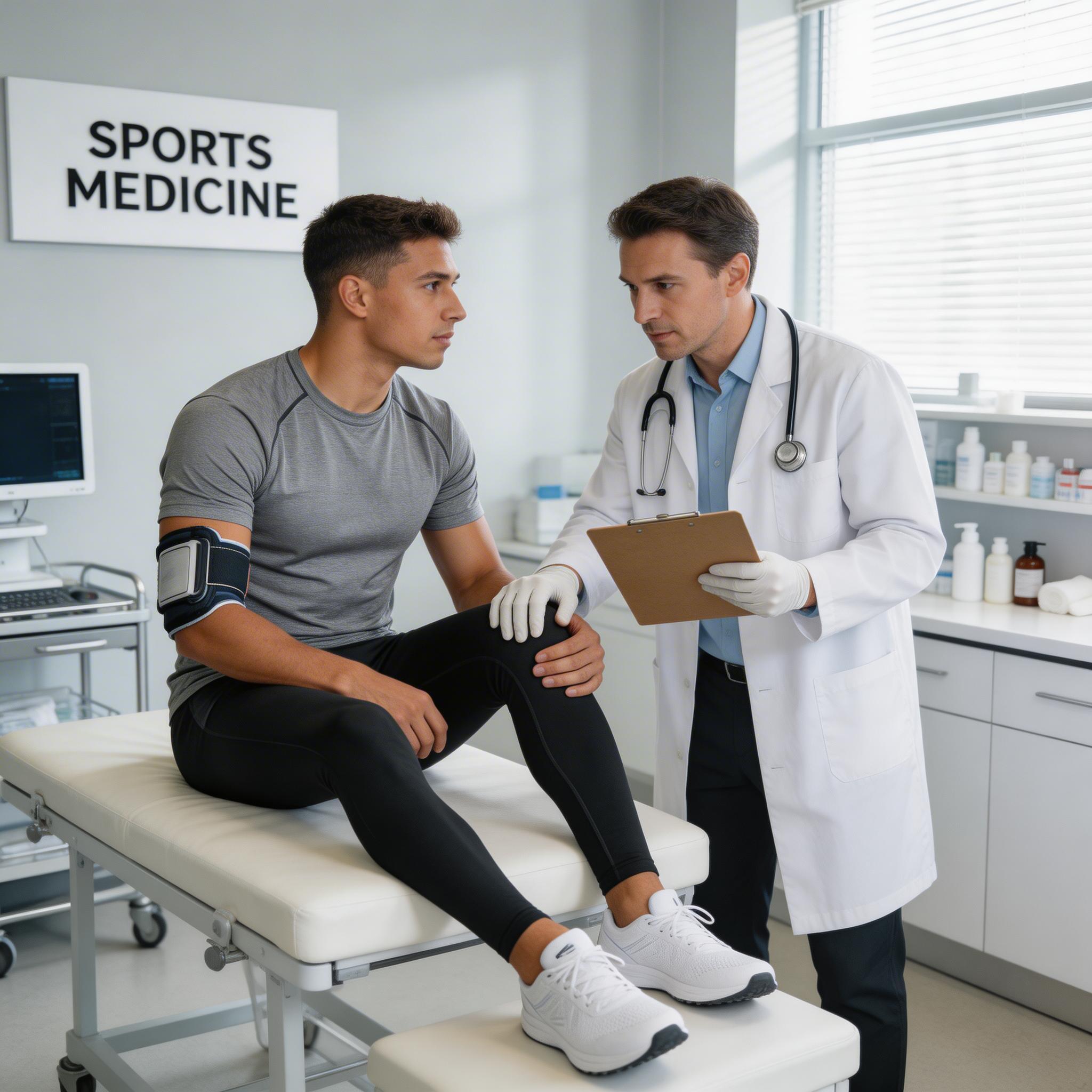
    Athletes use PRP therapy to accelerate recovery and return to sport faster
    Athletes use PRP therapy to accelerate recovery and return to sport faster

    Why Athletes Turn to PRP

    Athletes need treatments that address the actual injury — not just mask the pain — and allow them to return to sport without increasing long-term damage risk. Cortisone fits neither criterion well for most athletes: it reduces pain quickly but can weaken tendon and cartilage tissue with repeated use.
    PRP takes a different approach. By concentrating your own platelets and injecting them at the injury site, PRP delivers a high dose of growth factors that accelerate the natural healing process. For tendons and ligaments — tissues with poor blood supply that heal slowly — this biological boost can meaningfully shorten recovery timelines.
    PRP is now used routinely in professional sports medicine, from NFL and NBA training rooms to elite track and field programs. The treatment gained wider attention after high-profile athletes publicly used it for tendon injuries.

    Sports Injuries That Respond Well to PRP

    Lateral epicondylitis (tennis elbow). One of the best-documented uses of PRP. A 2015 RCT in the American Journal of Sports Medicine1 found PRP significantly outperformed cortisone at 6, 12, and 26 weeks. Athletes involved in racquet sports, throwing sports, and overhead activities are prime candidates. See our tennis elbow treatment page.
    Achilles tendinopathy. The Achilles is one of the most common career-ending injuries in running athletes. PRP for mid-substance Achilles tendinopathy has shown meaningful benefit in multiple randomized trials. Learn more about our Achilles tendinitis treatment options.
    Patellar tendinopathy (jumper's knee). Common in basketball, volleyball, and track athletes. PRP injections combined with an eccentric loading protocol consistently outperform eccentric training alone in clinical studies.
    Rotator cuff tendinopathy. For throwing athletes and swimmers with partial rotator cuff tears or chronic tendinosis, PRP can reduce pain and improve function while avoiding the long downtime of surgical repair. Our rotator cuff treatment page covers all options.
    Hamstring and groin injuries. Emerging evidence supports PRP for hamstring strain recovery in sprinters and soccer players, with some data suggesting shorter return-to-sport timelines versus conventional rehab alone.

    Return-to-Sport Timelines After PRP

    PRP does not provide immediate relief. The healing process it triggers takes weeks to produce measurable improvement. Athletes need to understand that PRP is an investment in recovery, not a quick fix.
    Typical return-to-sport timelines after PRP depend heavily on the injury and sport:
    For tendinopathies (Achilles, patellar, rotator cuff), most athletes resume sport-specific training at 6 to 10 weeks, with full return to competition at 8 to 14 weeks. For joint conditions like knee osteoarthritis in older athletes, the timeline for functional improvement is 4 to 8 weeks for pain reduction but structural healing is ongoing for months.
    Activity restrictions in the first 2 to 4 weeks after injection are important. High-intensity loading of the treated tendon or joint too soon can disrupt the healing response. Most providers recommend light activity, cross-training (swimming, cycling), and a structured eccentric rehabilitation program during this phase. See our detailed PRP recovery and aftercare guide for specifics.

    Is PRP Allowed in Competitive Sports?

    Yes. PRP is not on the World Anti-Doping Agency (WADA) prohibited list for injectable use in joints and tendons. WADA removed intra-articular PRP from its monitoring program after finding no performance-enhancing effects beyond injury treatment.
    Athletes competing at national or international levels should confirm with their governing body, as rules can change. But for the vast majority of competitive athletes — including Olympic sport athletes — PRP is fully permitted.

    Frequently Asked Questions

    Injured and Want to Get Back to Sport?

    A sports medicine specialist in our network can evaluate your injury and determine if PRP is the right path back.

    Find a Sports Medicine Specialist

    Sources

    1. Mishra AK, Skrepnik NV, Edwards SG, et al. Efficacy of platelet-rich plasma for chronic tennis elbow: a double-blind, prospective, multicenter, randomized controlled trial of 230 patients. Am J Sports Med. 2014;42(2):463–471. PubMed
    2. World Anti-Doping Agency. 2023 Prohibited List. Published September 2022. Accessed March 2026. WADA

    Related Articles

    Back to the Trails: A Runner's PRP Success Story

    How one marathon runner returned to competition after PRP treatment for plantar fasciitis.

    Does Insurance Cover PRP Injections? What Patients Need to Know

    Most insurance plans don't cover PRP therapy yet. Learn why, which exceptions exist, and how to use HSA/FSA funds or financing to manage the cost.

    How Long Do PRP Injections Last? What the Research Shows

    PRP results can last 6 months to 2+ years depending on the condition and patient. Here's what clinical research says about PRP longevity and when to repeat treatment.

    How Many PRP Injections Do You Need? A Treatment Planning Guide

    Most patients need 1 to 3 PRP injections. Learn the standard treatment protocols by condition, what affects how many shots you need, and when to consider a second course.

    How Much Does PRP Therapy Cost? A Complete 2026 Guide

    Wondering what PRP therapy costs in 2026? Learn average prices by treatment area, what drives the cost, and how to make PRP affordable without insurance.

    My PRP Journey: From Chronic Pain to Active Living

    One patient shares their experience with PRP treatment for a rotator cuff injury.

    New Research Shows PRP Effective for Knee Osteoarthritis

    A comprehensive meta-analysis reveals promising outcomes for patients with moderate knee arthritis.

    Preparing for Your First PRP Injection

    Tips and guidelines to help you prepare for a successful PRP treatment session.

    PRP as an Alternative to Joint Replacement Surgery: Who Qualifies?

    Can PRP therapy help you avoid knee or hip replacement? Learn who qualifies for PRP as an alternative to surgery, what the evidence shows, and when surgery becomes necessary.

    PRP Injection Recovery: What to Expect in the Days and Weeks After

    What should you expect after a PRP injection? Here's a complete recovery timeline covering pain, activity restrictions, and tips that speed healing.

    Find a Specialist

    Connect with board-certified providers offering PRP therapy.