PRP vs Cortisone: Which Is Right for You?

    Comparing two popular injection therapies for joint pain and inflammation.
    February 11, 2026
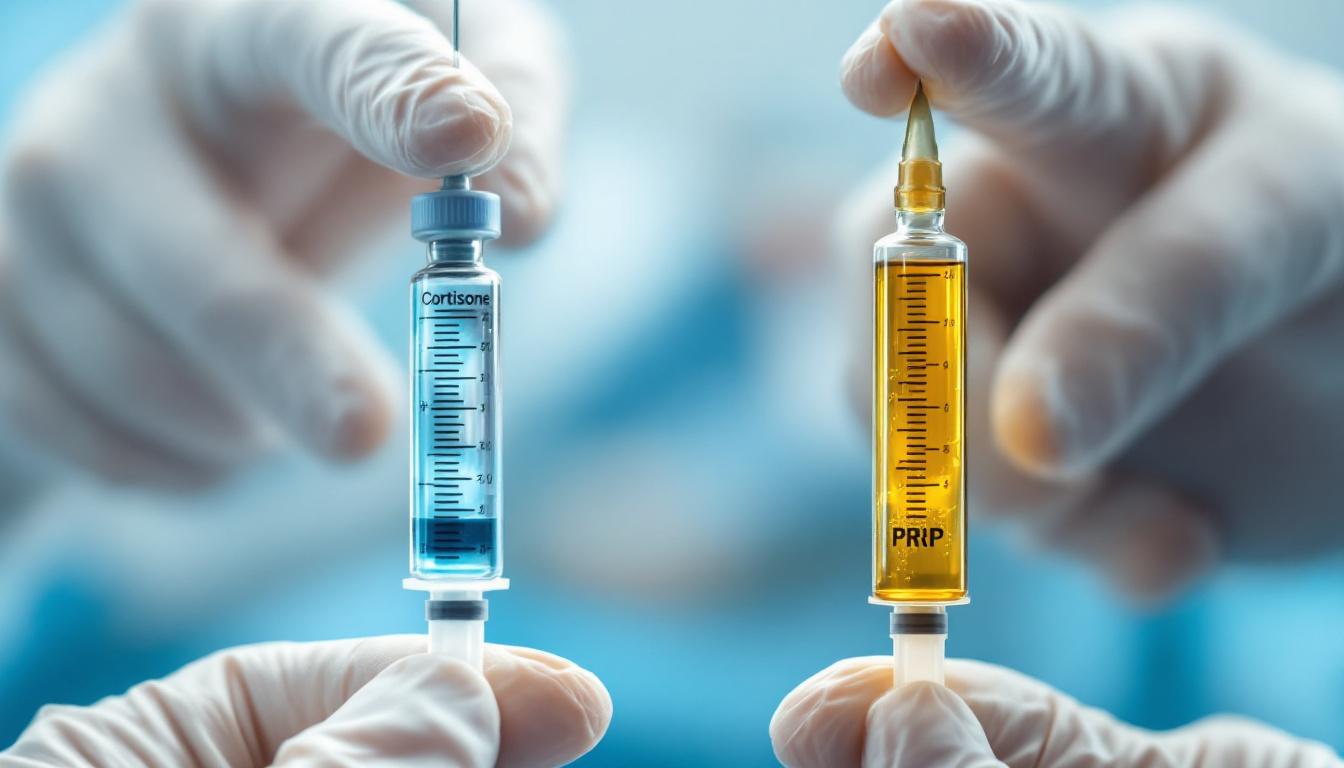
    PRP and corticosteroid injections represent fundamentally different approaches to musculoskeletal pain. Cortisone suppresses inflammation quickly, but temporarily. PRP harvests growth factors from your own blood to stimulate lasting tissue repair. For patients weighing these two options, understanding the mechanisms and the evidence is essential.
    PRP versus corticosteroid injections, comparing two approaches to musculoskeletal pain
    PRP versus corticosteroid injections, comparing two approaches to musculoskeletal pain

    How Corticosteroid Injections Work

    Corticosteroids are synthetic versions of cortisol, a hormone the adrenal glands produce. When injected near an inflamed tendon, joint, or bursa, they block prostaglandin synthesis and suppress immune cell activity, reducing swelling, warmth, and pain within days.
    The relief is real and often dramatic, which is why cortisone injections remain widely used. However, the anti-inflammatory effect is temporary. Once the steroid clears (typically 4–12 weeks), the underlying pathology, damaged collagen, degenerative cartilage, chronic tendinopathy, remains untreated.

    How PRP Works Differently

    Platelet-rich plasma concentrates your own platelets, typically 5–10 times above baseline, and injects them at the injury site. Platelets release growth factors including PDGF, TGF-beta, VEGF, and IGF-1, which recruit stem cells, stimulate collagen synthesis, and promote vascularization.
    Rather than dampening inflammation, PRP redirects it toward a controlled healing response. This distinction matters: chronic tendinopathy involves failed healing, not ongoing acute inflammation. PRP addresses the biological reason tissue is not repairing itself.
    Comparing cortisone and PRP injection outcomes over time
    Comparing cortisone and PRP injection outcomes over time

    What Head-to-Head Research Shows

    Several randomized controlled trials have directly compared PRP and corticosteroid injections. A landmark 2011 study by Gosens et al. (PMID 21422467) followed 100 patients with chronic lateral epicondylitis for two years. At 26 weeks, PRP-treated patients showed 64% improvement in pain scores versus 24% for the cortisone group, a difference that widened at the two-year mark.
    A 2020 randomized trial (PMID 32699149) comparing PRP with corticosteroid for rotator cuff tendinopathy found PRP superior at 6 and 12 months on both pain and functional outcomes. The cortisone group showed faster early relief but significantly worse outcomes at follow-up, a pattern seen across multiple musculoskeletal conditions.

    The Risks of Repeated Corticosteroid Use

    Corticosteroids are generally safe for occasional use, but repeated injections carry documented risks. Studies show that multiple cortisone injections into tendons can weaken collagen architecture, increasing rupture risk. In joints, repeated steroid exposure has been linked to accelerated cartilage loss, the opposite of the treatment goal.
    Systemic effects including blood sugar elevation, transient adrenal suppression, and skin depigmentation at the injection site are more common with frequent use. Guidelines from most orthopedic societies recommend limiting cortisone injections to 3–4 per year at any single site, and many clinicians suggest far fewer.

    When to Choose PRP Over Cortisone

    PRP is generally preferred when the condition is chronic (symptoms lasting more than 3–6 months), when previous cortisone injections provided only temporary relief, when imaging shows degenerative changes rather than acute inflammation, or when you are concerned about the long-term risks of repeated steroid use.
    Cortisone may still be appropriate for acute flares that prevent participation in rehabilitation, or when rapid short-term relief is the priority. Many orthopedic physicians now view PRP as the better choice for definitive, longer-lasting treatment of chronic tendinopathy and joint degeneration.

    Sources

    1. Gosens T, et al. Ongoing Positive Effect of Platelet-Rich Plasma Versus Corticosteroid Injection in Lateral Epicondylitis. Am J Sports Med. 2011;39(6):1200-1208. PMID 21422467
    2. Hamid MSA, et al. Platelet-Rich Plasma Injections for the Treatment of Rotator Cuff Tendinopathy: A Randomized Controlled Trial. Am J Sports Med. 2020;49(5):1137-1145. PMID 32699149
    Disclaimer: This content is for informational purposes only and does not constitute medical advice. Consult a qualified healthcare provider before pursuing any treatment.
    FactorPRP TherapyCortisone InjectionClinical SignificancePatient Consideration
    MechanismGrowth factor-driven tissue regenerationAnti-inflammatory corticosteroid suppressionPRP addresses root cause; cortisone manages symptomsPRP preferred for long-term repair; cortisone for rapid flare relief
    Onset of Relief4–8 weeks (gradual)1–3 days (rapid)Cortisone wins for speed; PRP wins for durabilityTime-sensitive events may favor cortisone short-term
    Duration of Effect12–24+ months6–12 weeksPRP provides significantly longer-lasting benefitPRP more cost-effective over multiple treatment cycles
    Tissue EffectsStimulates collagen synthesis and repairCan weaken tendons and cartilage with repeated usePRP safer for structural integrity over timeCortisone use >3 injections per year not recommended
    Insurance CoverageTypically not covered; $500–$2,500 per injectionUsually covered; low out-of-pocket costCortisone lower upfront cost; PRP better long-term valueBudget and coverage should be discussed with provider

    Frequently Asked Questions

    Talk to a PRP Specialist About Your Options

    An experienced orthopedic provider can help you decide between PRP and cortisone based on your specific condition and goals.

    Find a PRP Provider

    Related Articles

    Back to the Trails: A Runner's PRP Success Story

    How one marathon runner returned to competition after PRP treatment for plantar fasciitis.

    Does Insurance Cover PRP Injections? What Patients Need to Know

    Most insurance plans don't cover PRP therapy yet. Learn why, which exceptions exist, and how to use HSA/FSA funds or financing to manage the cost.

    How Long Do PRP Injections Last? What the Research Shows

    PRP results can last 6 months to 2+ years depending on the condition and patient. Here's what clinical research says about PRP longevity and when to repeat treatment.

    How Many PRP Injections Do You Need? A Treatment Planning Guide

    Most patients need 1 to 3 PRP injections. Learn the standard treatment protocols by condition, what affects how many shots you need, and when to consider a second course.

    How Much Does PRP Therapy Cost? A Complete 2026 Guide

    Wondering what PRP therapy costs in 2026? Learn average prices by treatment area, what drives the cost, and how to make PRP affordable without insurance.

    My PRP Journey: From Chronic Pain to Active Living

    One patient shares their experience with PRP treatment for a rotator cuff injury.

    New Research Shows PRP Effective for Knee Osteoarthritis

    A comprehensive meta-analysis reveals promising outcomes for patients with moderate knee arthritis.

    Preparing for Your First PRP Injection

    Tips and guidelines to help you prepare for a successful PRP treatment session.

    PRP as an Alternative to Joint Replacement Surgery: Who Qualifies?

    Can PRP therapy help you avoid knee or hip replacement? Learn who qualifies for PRP as an alternative to surgery, what the evidence shows, and when surgery becomes necessary.

    PRP Injection Recovery: What to Expect in the Days and Weeks After

    What should you expect after a PRP injection? Here's a complete recovery timeline covering pain, activity restrictions, and tips that speed healing.

    Find a Specialist

    Connect with board-certified providers offering PRP therapy.