Understanding PRP: A Patient's Complete Guide

    Everything you need to know about platelet-rich plasma therapy, from preparation to recovery.

    February 11, 2026
    Platelet-rich plasma (PRP) therapy has grown from an experimental concept into a widely used regenerative medicine treatment, but many patients approach it with understandable questions: What exactly is PRP? Does it work? Who is it right for? This guide answers those questions clearly, drawing on the best available clinical evidence.
    Understanding PRP therapy: a comprehensive patient guide
    Understanding PRP therapy: a comprehensive patient guide

    What Is PRP and How Is It Made?

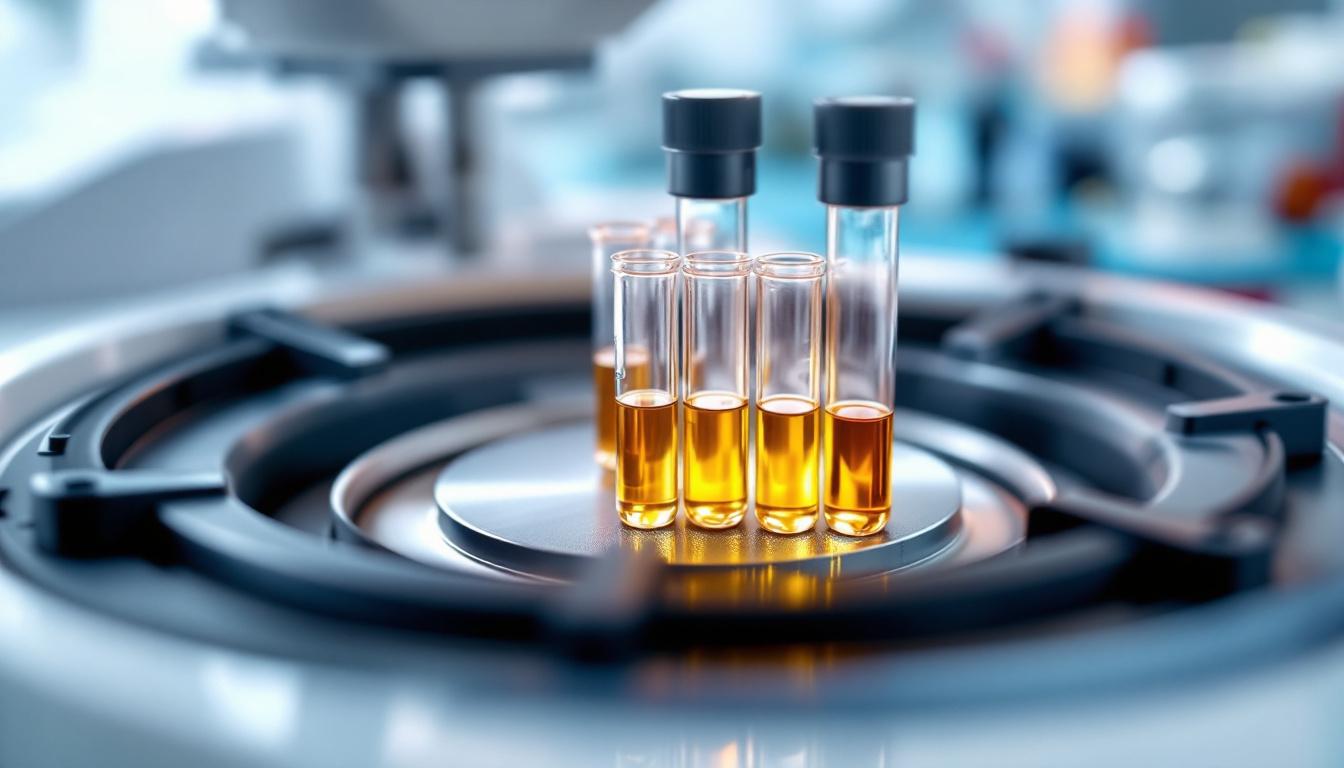
    PRP is a concentration of your own platelets prepared from a small blood draw taken on the day of treatment. Whole blood is spun in a centrifuge to separate its components: red blood cells settle at the bottom, plasma rises to the top, and platelets concentrate in an intermediate layer. The platelet-rich fraction is isolated and injected into the target tissue, delivering a preparation containing 3–8 times the normal platelet concentration, loaded with growth factors including PDGF, TGF-β, VEGF, EGF, and IGF-1.

    How Does PRP Trigger Healing?

    Growth factors released by platelets bind to receptors on local cells, fibroblasts, chondrocytes, tenocytes, triggering cascades that promote tissue repair: increased collagen synthesis, reduced inflammatory cytokines, new blood vessel formation, and stem cell recruitment. PRP modulates the chronic low-level inflammation that characterizes many degenerative conditions, shifting the local environment from a catabolic (breakdown) to an anabolic (rebuilding) state. This is why PRP shows the most consistent benefit in conditions involving chronic degeneration rather than acute injuries with intact healing capacity.
    PRP preparation process: centrifugation and platelet concentration
    PRP preparation process: centrifugation and platelet concentration

    What Does the Clinical Evidence Show?

    The clinical evidence for PRP is strongest for knee osteoarthritis, lateral epicondylitis (tennis elbow), and chronic tendinopathies. A 2021 meta-analysis covering 18 randomized controlled trials for knee osteoarthritis found PRP superior to hyaluronic acid and corticosteroid at 6–12 months. For lateral epicondylitis, multiple RCTs confirm PRP's superiority over cortisone at 1–2 year follow-up. Evidence is emerging for shoulder conditions, spinal pain, Achilles tendinopathy, and small joint arthritis. As with any treatment, results vary by condition, patient health, and preparation protocol.

    What to Expect from a PRP Treatment

    The process begins with a blood draw of 15–60 mL, centrifugation taking 10–15 minutes, and an injection, typically performed under ultrasound or fluoroscopic guidance, into the target structure. Most patients experience mild soreness for 3–7 days after injection as the healing phase is initiated. Functional improvement typically begins at 4–8 weeks, with peak benefit appearing at 3–6 months. Most protocols involve 1–3 injections, depending on condition severity and initial response.

    Is PRP Right for Me?

    PRP is generally appropriate for adults with chronic musculoskeletal pain, degenerative conditions, or tendinopathy who have not responded adequately to conservative care such as physical therapy, NSAIDs, or bracing. It is not appropriate for patients with active infection, clotting disorders, platelet dysfunction, or certain cancers. Explore our condition-specific pages, including knee osteoarthritis, tennis elbow, and rotator cuff tears, to see what the evidence shows for your specific condition.

    Sources

    Marx RE. Platelet-rich plasma: evidence to support its use. J Oral Maxillofac Surg. 2004;62(4):489-496. PMID 15085519. Evans CH, et al. Current concepts in the science of platelet-rich plasma. Instr Course Lect. 2012;61:553-562. PMID 22301478. Condition-specific citations are available on individual treatment pages throughout this site.
    This page is for informational purposes only and does not constitute medical advice. Consult a qualified healthcare provider to determine whether PRP therapy is appropriate for your condition.
    PRP FormulationPlatelet ConcentrationKey Growth FactorsIdeal ApplicationsProcessing Method
    Leukocyte-Rich PRP (LR-PRP)4–8× baselinePDGF, TGF-β1, IL-1Ra (elevated)Tendon tears, ligament injuriesBuffy coat or double-spin
    Leukocyte-Poor PRP (LP-PRP)3–6× baselineTGF-β1, IGF-1 (anti-inflammatory)Osteoarthritis, joint injectionsPlasma-based single-spin
    Pure Platelet-Rich Plasma2–4× baselineBalanced growth factor profileSoft tissue regenerationSingle centrifuge protocol

    Frequently Asked Questions

    Ready to Explore PRP Therapy?

    Connect with an experienced orthopedic PRP specialist in your area.

    Find a PRP Specialist

    Related Articles

    Back to the Trails: A Runner's PRP Success Story

    How one marathon runner returned to competition after PRP treatment for plantar fasciitis.

    Does Insurance Cover PRP Injections? What Patients Need to Know

    Most insurance plans don't cover PRP therapy yet. Learn why, which exceptions exist, and how to use HSA/FSA funds or financing to manage the cost.

    How Long Do PRP Injections Last? What the Research Shows

    PRP results can last 6 months to 2+ years depending on the condition and patient. Here's what clinical research says about PRP longevity and when to repeat treatment.

    How Many PRP Injections Do You Need? A Treatment Planning Guide

    Most patients need 1 to 3 PRP injections. Learn the standard treatment protocols by condition, what affects how many shots you need, and when to consider a second course.

    How Much Does PRP Therapy Cost? A Complete 2026 Guide

    Wondering what PRP therapy costs in 2026? Learn average prices by treatment area, what drives the cost, and how to make PRP affordable without insurance.

    My PRP Journey: From Chronic Pain to Active Living

    One patient shares their experience with PRP treatment for a rotator cuff injury.

    New Research Shows PRP Effective for Knee Osteoarthritis

    A comprehensive meta-analysis reveals promising outcomes for patients with moderate knee arthritis.

    Preparing for Your First PRP Injection

    Tips and guidelines to help you prepare for a successful PRP treatment session.

    PRP as an Alternative to Joint Replacement Surgery: Who Qualifies?

    Can PRP therapy help you avoid knee or hip replacement? Learn who qualifies for PRP as an alternative to surgery, what the evidence shows, and when surgery becomes necessary.

    PRP Injection Recovery: What to Expect in the Days and Weeks After

    What should you expect after a PRP injection? Here's a complete recovery timeline covering pain, activity restrictions, and tips that speed healing.

    Find a Specialist

    Connect with board-certified providers offering PRP therapy.