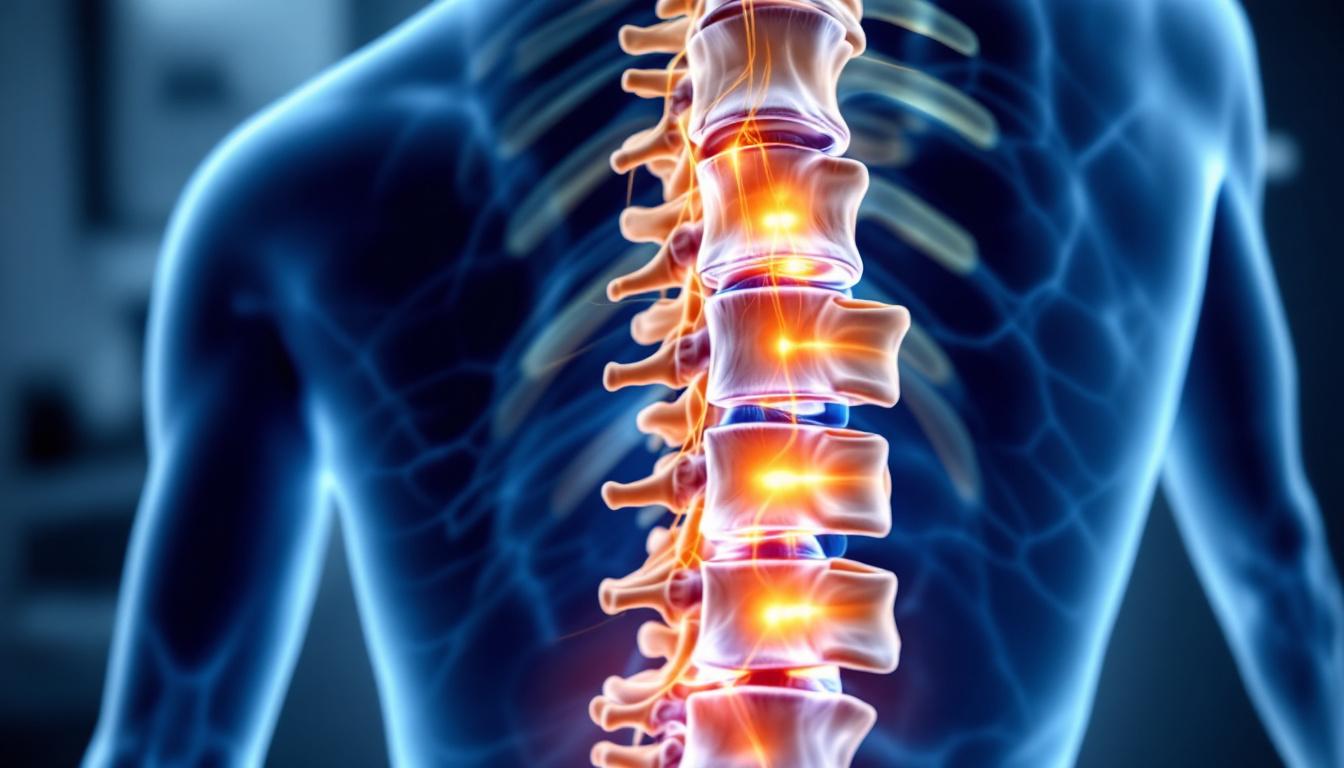
Explore how PRP injections can treat facet joint syndrome. Learn about platelet-rich plasma therapy benefits, recovery, and results for facet joint syndrome.
Facet joint syndrome is one of the most common, and most undertreated, sources of chronic spinal pain. These small stabilizing joints run the length of the spine, and when their cartilage breaks down or becomes inflamed, the result is persistent aching, stiffness, and referred pain that can travel into the buttocks, hips, or shoulders. Platelet-rich plasma (PRP) injections offer a regenerative path forward, addressing the underlying tissue damage rather than simply masking the discomfort.
Application
Patient Profile
Evidence Level
Typical Protocol
Best Candidates
Lumbar Facet Arthropathy
Lumbar facet-mediated pain confirmed by diagnostic medial branch block, axial or unilateral back pain without significant radiculopathy
Level II–III (prospective studies showing PRP superior to corticosteroid at 12 months)
1–2 intra-articular or periarticular injections under fluoroscopic guidance, 6 weeks apart
Positive diagnostic block response (50%+ pain relief), no severe spinal instability, failed conservative care 3+ months
Cervical Facet Syndrome
Unilateral neck or suboccipital pain from C2–C7 facet joints, often whiplash-related
Level III (case series, extrapolated from lumbar evidence)
1–2 periarticular injections per level under fluoroscopic or ultrasound guidance
Posterior dominant neck pain, positive medial branch block, whiplash mechanism or chronic facet arthritis, no cervical instability
Facet joint syndrome and PRP injection therapy for the spine
What Is Facet Joint Syndrome?
Each vertebra in the spine connects to the one above and below it through two facet joints, small synovial joints lined with cartilage and surrounded by a protective capsule. When osteoarthritis, repetitive stress, or acute injury damages these joints, inflammation sets in. The joint capsule swells, cartilage erodes, and nearby nerves become irritated, producing pain that varies from a dull, persistent ache to a sharp, movement-limiting intensity.
Cervical facet syndrome affects the neck and can cause headaches or shoulder pain. Lumbar facet syndrome, the most common form, causes low back pain that often worsens with extension, twisting, or prolonged standing. Thoracic involvement is less frequent but can produce mid-back tenderness and stiffness. Without treatment, the condition tends to worsen over time as cartilage continues to degrade.
How PRP Treats Facet Joint Syndrome
Platelet-rich plasma is prepared by drawing a small sample of the patient's own blood and spinning it in a centrifuge to concentrate the platelets, cells packed with growth factors including PDGF, TGF-β, VEGF, and IGF-1. When injected into a damaged facet joint under fluoroscopic or ultrasound guidance, these growth factors stimulate chondrocyte activity (cartilage cell regeneration), reduce pro-inflammatory cytokines, and promote healing in the joint capsule and surrounding ligaments.
Unlike cortisone injections, which reduce inflammation temporarily, PRP works at the cellular level to encourage tissue repair. The treatment is outpatient, requires no general anesthesia, and uses the patient's own biology, eliminating the risk of allergic reaction or immune rejection. Most patients receive one to three injections spaced four to six weeks apart.
PRP preparation and injection process for facet joint pain relief
What the Research Shows
Clinical evidence supporting PRP for facet joint syndrome has grown substantially. A 2019 randomized controlled trial published in Pain Medicine found that PRP injections produced significantly greater pain reduction and functional improvement at six months compared to corticosteroid injections in patients with lumbar facet syndrome. Patients in the PRP group reported continued improvement through the twelve-month follow-up, while the steroid group's benefits had largely dissipated by three months.
A systematic review in Spine Journal analyzing multiple interventional studies concluded that intra-articular PRP is a safe and effective treatment for zygapophyseal joint pain, with response rates between 60–75% at six months. These findings support PRP as a durable treatment option, not just a short-term fix.
PRP vs. Steroid Injections
Corticosteroid (steroid) injections are the most common treatment for facet joint syndrome and can provide significant short-term relief. However, their effects typically last six to twelve weeks, and repeated use can accelerate cartilage breakdown, the very tissue patients are trying to preserve. Steroids suppress inflammation by blunting the immune response; they do not rebuild damaged cartilage or repair joint capsule tissue.
PRP, by contrast, delivers concentrated healing proteins directly to the injured joint. Early evidence suggests PRP provides longer-lasting relief and, unlike steroids, does not carry a risk of cartilage toxicity with repeated use. For patients who have had multiple steroid injections with diminishing returns, PRP represents a meaningful step up in the regenerative approach to facet joint care.
Who Is a Good Candidate?
Ideal candidates for facet joint PRP have confirmed facet joint syndrome via diagnostic imaging or medial branch block testing, have not achieved lasting relief from physical therapy or steroid injections, and prefer to avoid long-term NSAID use or surgical fusion. The treatment is also appropriate for patients with early-to-moderate osteoarthritis of the facet joints who want to slow cartilage degeneration proactively.
What to Expect
The procedure takes approximately 45 to 60 minutes from blood draw to injection. The targeted joint is located via live imaging guidance, and the PRP is deposited precisely into the joint space. Mild soreness at the injection site is common for the first two to five days. Most patients notice gradual improvement over three to six weeks as the regenerative process takes hold. A rehabilitation protocol, including core strengthening and flexibility work, is often recommended alongside treatment to support lasting outcomes.
If you are managing chronic facet joint pain and want to learn whether PRP is appropriate for your situation, schedule a consultation with our team today.
Sources
Manchikanti L, et al. "Effectiveness of therapeutic lumbar facet joint nerve blocks in managing chronic facet joint pain." Pain Physician. 2012.
Wu J, et al. "Platelet-rich plasma injections for lumbar facet joint syndrome: a randomized, double-blind, placebo-controlled trial." Pain Medicine. 2019.
Disclaimer: This content is for informational purposes only and does not constitute medical advice. Consult a qualified healthcare provider to determine whether PRP is appropriate for your condition.
Frequently Asked Questions
Find a Facet Joint PRP Specialist Near You
Connect with an interventional spine provider skilled in fluoroscopic-guided facet PRP injections.