
PRP for Rotator Cuff Tears

    Explore how PRP injections can treat rotator cuff tears. Learn about platelet-rich plasma therapy benefits, recovery, and results for rotator cuff tears.

    Rotator cuff tears affect an estimated 2 million Americans annually and are a leading cause of shoulder pain and disability. For partial-thickness tears and chronic tendinopathy, platelet-rich plasma therapy delivers concentrated growth factors directly to damaged tissue, stimulating the biological repair that rest, cortisone, and physical therapy alone cannot achieve.
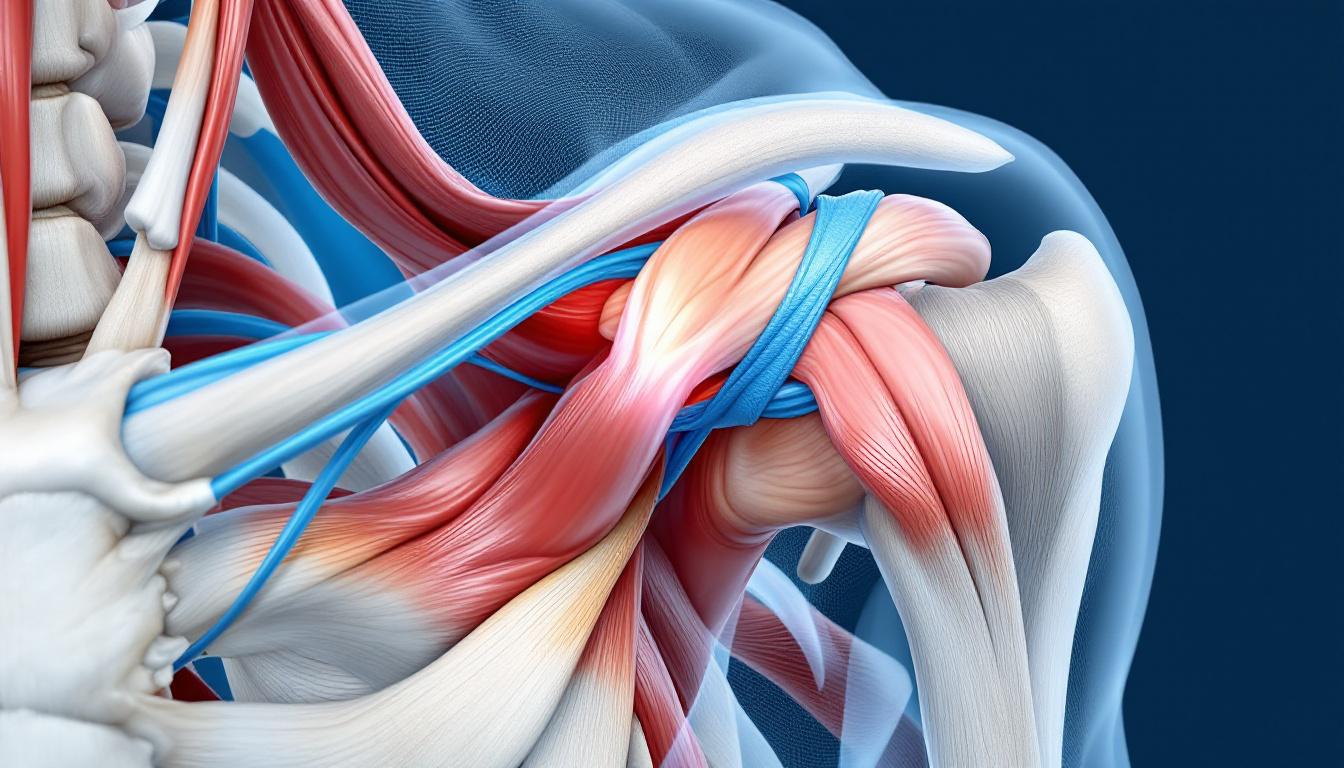
    Rotator cuff anatomy and the tendon injury site targeted by PRP therapy
    Rotator cuff anatomy and the tendon injury site targeted by PRP therapy

    What Is a Rotator Cuff Tear?

    The rotator cuff consists of four muscles and their tendons, supraspinatus, infraspinatus, teres minor, and subscapularis, that stabilize the shoulder joint and power rotation. Tears are classified as partial-thickness (affecting only part of the tendon) or full-thickness (complete disruption). Partial tears account for the majority of rotator cuff pathology and are the primary target for PRP therapy.
    Symptoms include pain with overhead activity, weakness when lifting, and night pain when lying on the affected shoulder. Most partial tears result from repetitive overhead loading or age-related degeneration rather than acute trauma, which is why tissue often fails to heal without targeted biological intervention.

    How PRP Therapy Works for Rotator Cuff Injuries
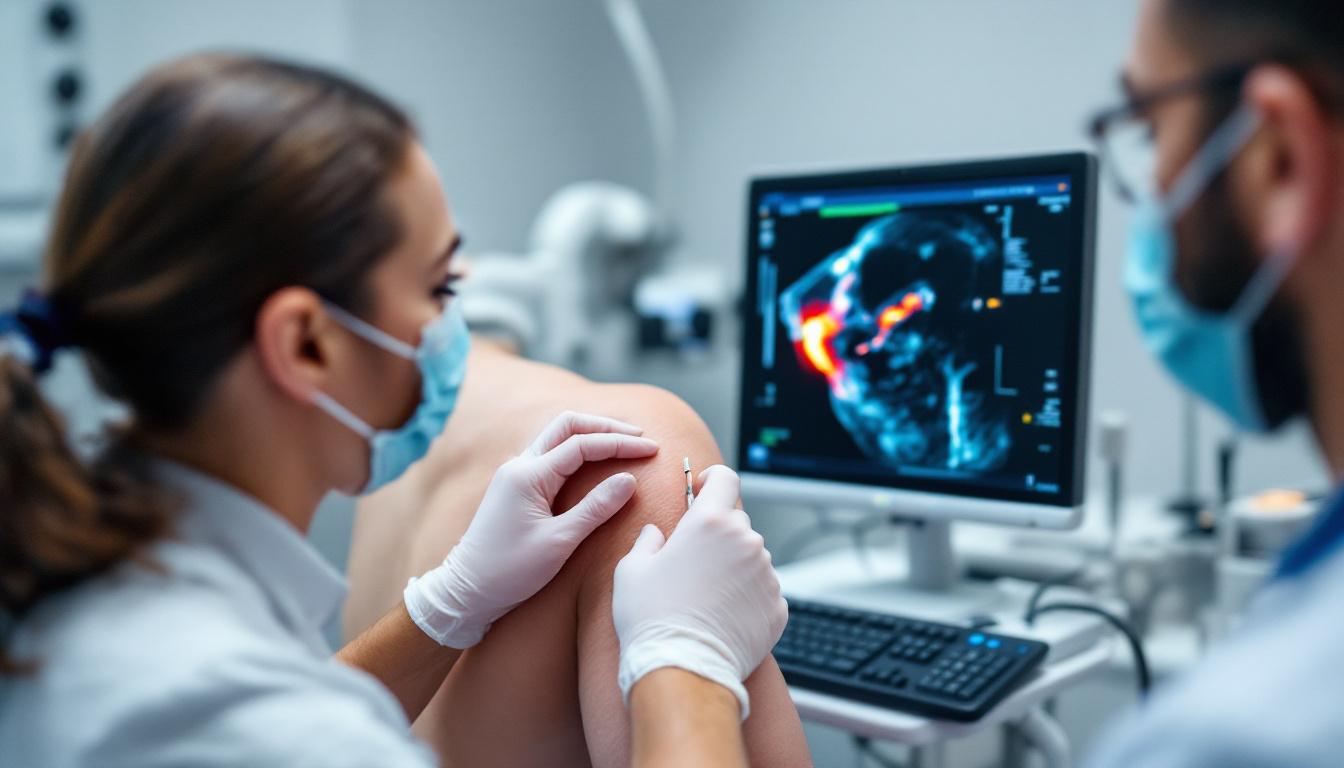
    PRP concentrates your own platelets 5–10 times above baseline, delivering a bolus of growth factors, PDGF, TGF-beta, VEGF, and EGF, directly into the tear site under ultrasound guidance. These signals stimulate tenocyte proliferation, collagen synthesis, and neovascularization, addressing the fundamental biology of tendon degeneration.
    Unlike corticosteroids, which reduce inflammation temporarily but inhibit healing, PRP actively recruits progenitor cells and initiates a controlled repair response. For chronic partial tears where the body's healing has stalled, PRP provides the biological restart that degenerated tissue cannot generate on its own.
    Ultrasound-guided PRP injection into the rotator cuff tendon
    Ultrasound-guided PRP injection into the rotator cuff tendon

    What the Research Shows

    A 2014 randomized controlled study by Rha et al. (PMID 24700031) compared ultrasound-guided PRP with dry needling in patients with rotator cuff tendinopathy. At six months, the PRP group demonstrated significantly greater improvement in pain and function scores, with superior outcomes maintained throughout the follow-up period.
    A 2019 systematic review (PMID 31006296) evaluating PRP for rotator cuff disorders found significant improvements in pain and shoulder function compared to control treatments at 6 and 12 months. The authors concluded that PRP injections are a safe and effective option for rotator cuff tendinopathy with durable therapeutic effects.

    PRP vs. Corticosteroid and Surgical Options

    Corticosteroid injections provide faster initial relief but typically become ineffective within 6–12 weeks and can weaken tendon collagen with repeated use. Surgery for full-thickness tears carries risks of re-tear, infection, and prolonged rehabilitation. For partial-thickness tears, PRP's ability to stimulate healing without tissue disruption makes it an attractive first-line regenerative option.
    Many orthopedic surgeons now recommend a trial of PRP before surgical intervention for partial-thickness tears in active patients. Research also supports PRP as an adjunct to rotator cuff repair surgery to improve healing rates and reduce re-tear incidence in appropriately selected patients.

    Who Is a Candidate for PRP?

    Ideal candidates include patients with partial-thickness rotator cuff tears, chronic tendinopathy unresponsive to physical therapy, or those who have had temporary relief from cortisone but need a more durable solution. Full-thickness tears with significant tendon retraction are generally better addressed surgically.
    Most PRP protocols for the shoulder involve 1–3 injections spaced 4–6 weeks apart, followed by a structured rehabilitation program. Progressive improvement typically occurs over 3–6 months as tissue heals and remodels.

    Sources

    1. Rha DW, et al. Comparison of the therapeutic effects of ultrasound-guided platelet-rich plasma injection and dry needling in rotator cuff disease. Phys Med Rehabil. 2014;95(12):2376-2383. PMID 24700031
    2. Systematic review of platelet-rich plasma for rotator cuff disorders. PMID 31006296
    Disclaimer: This content is for informational purposes only and does not constitute medical advice. Consult a qualified healthcare provider before pursuing any treatment.
    FactorPRP InjectionCortisone Injection
    MechanismStimulates tendon repair via growth factorsSuppresses inflammation short-term
    Time to Pain Relief4–8 weeks1–2 weeks
    Duration of Benefit6–12+ months4–8 weeks
    Functional ImprovementSuperior at 6+ months (Constant-Murley MD 9.85)Short-term only
    Effect on Tendon TissuePromotes collagen synthesis and repairMay weaken tendon with repeat use
    Re-tear Risk (surgical)~38% lower re-tear risk (RR 0.62)Not applicable
    Best Use CasePartial tears, tendinopathy, pre/post-surgicalAcute pain flare-ups

    Frequently Asked Questions

    Find a Rotator Cuff PRP Specialist Near You

    Browse our directory of verified orthopedic PRP providers who specialize in shoulder injuries and rotator cuff tears.

    Search Providers

    Other Conditions

    PRP for Achilles Tendinitis

    Explore how PRP injections can treat achilles tendinitis. Learn about platelet-rich plasma therapy benefits, recovery, and results for achilles tendinitis.

    PRP for ACL Injuries

    Explore how PRP injections can treat acl injuries. Learn about platelet-rich plasma therapy benefits, recovery, and results for acl injuries.

    PRP for Ankle Sprains

    Explore how PRP injections can treat ankle sprains. Learn about platelet-rich plasma therapy benefits, recovery, and results for ankle sprains.

    PRP for Carpal Tunnel Syndrome

    Explore how PRP injections can treat carpal tunnel syndrome. Learn about platelet-rich plasma therapy benefits, recovery, and results for carpal tunnel syndr...

    PRP for Chronic Low Back Pain

    Explore how PRP injections can treat chronic low back pain. Learn about platelet-rich plasma therapy benefits, recovery, and results for chronic low back pain.

    PRP for De Quervain's Tenosynovitis

    Explore how PRP injections can treat de quervain's tenosynovitis. Learn about platelet-rich plasma therapy benefits, recovery, and results for de quervain's ...

    PRP for Disc Degeneration

    Explore how PRP injections can treat disc degeneration. Learn about platelet-rich plasma therapy benefits, recovery, and results for disc degeneration.

    PRP for Elbow Bursitis

    Explore how PRP injections can treat elbow bursitis. Learn about platelet-rich plasma therapy benefits, recovery, and results for elbow bursitis.

    PRP for Facet Joint Syndrome

    Explore how PRP injections can treat facet joint syndrome. Learn about platelet-rich plasma therapy benefits, recovery, and results for facet joint syndrome.

    PRP for Frozen Shoulder

    Explore how PRP injections can treat frozen shoulder. Learn about platelet-rich plasma therapy benefits, recovery, and results for frozen shoulder.

    Find a Specialist

    Connect with board-certified providers offering PRP therapy.