
PRP for Sacroiliac Joint Dysfunction

    Explore how PRP injections can treat sacroiliac joint dysfunction. Learn about platelet-rich plasma therapy benefits, recovery, and results for sacroiliac jo...
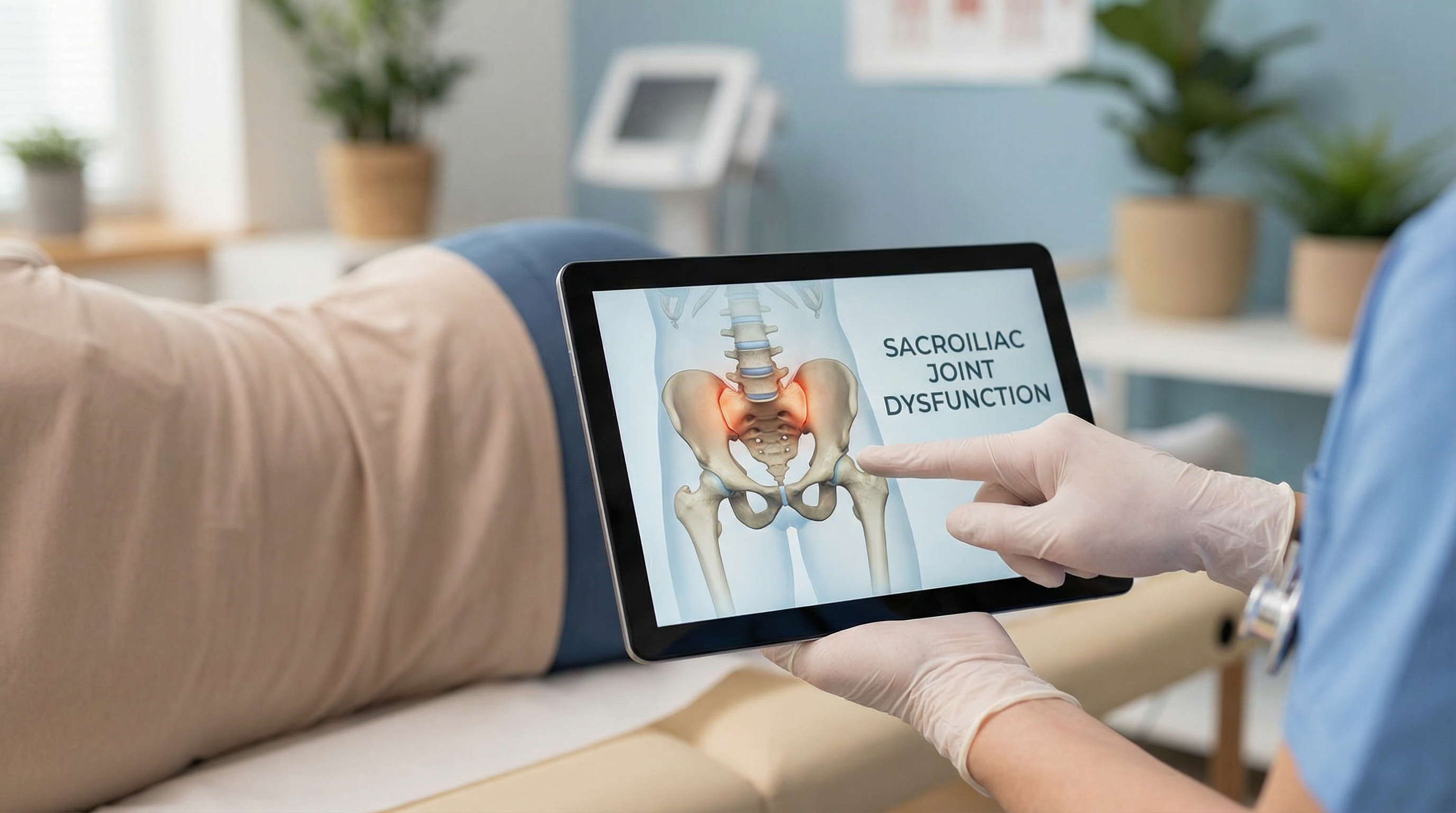
    Sacroiliac joint dysfunction causes chronic low back and buttock pain that is frequently misdiagnosed or unresponsive to standard care. As a degenerative and inflammatory joint condition, it is mechanistically similar to the pathologies that respond best to PRP, making platelet-rich plasma an increasingly effective non-surgical option for lasting relief.
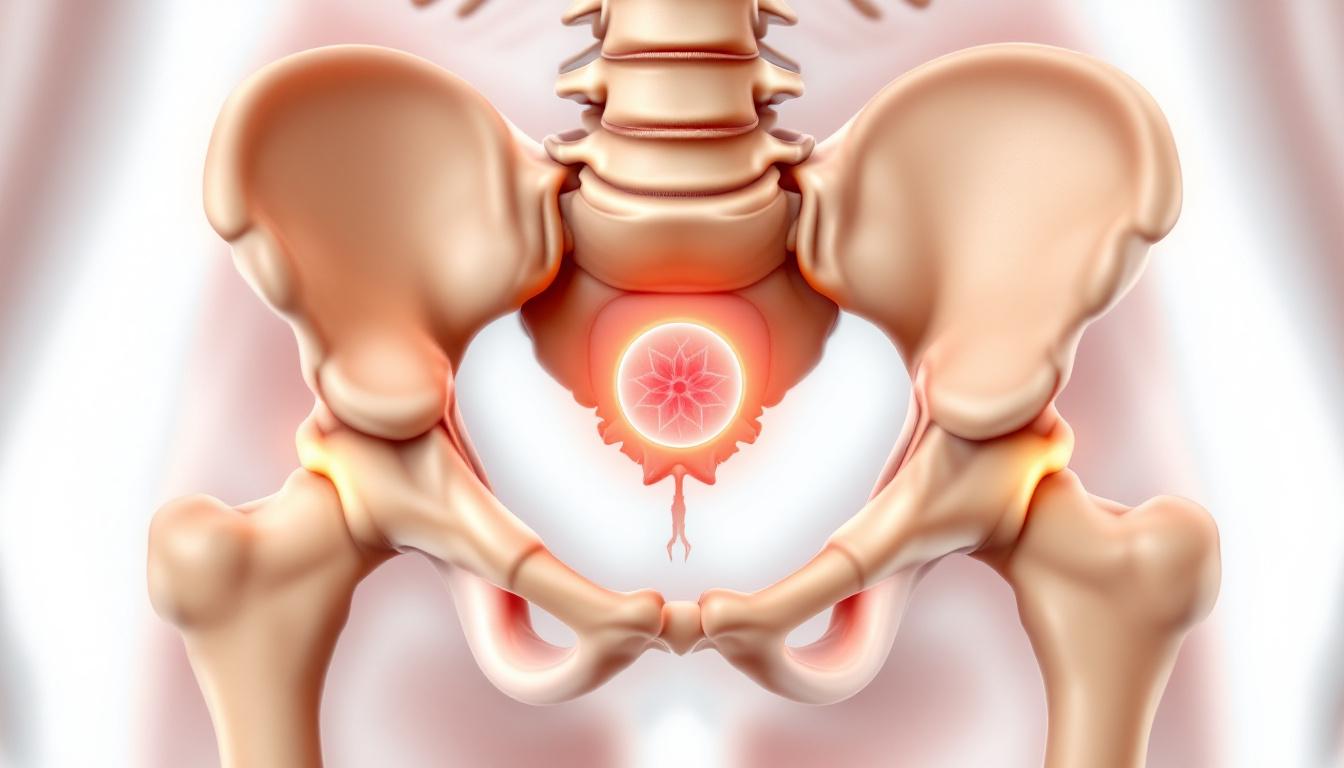
    The sacroiliac joint connecting the sacrum and iliac bones, the target of PRP injection therapy
    The sacroiliac joint connecting the sacrum and iliac bones, the target of PRP injection therapy

    What Is Sacroiliac Joint Dysfunction?

    The sacroiliac (SI) joints connect the sacrum to the iliac bones on each side of the pelvis. They absorb shock and transfer force between the upper body and legs. When these joints become inflamed, hypermobile, or degenerative, the result is characteristic pain in the lower back, buttocks, and often the groin or thigh, sometimes mimicking sciatica.
    SI joint dysfunction accounts for an estimated 15–30% of chronic low back pain cases. Diagnosis is challenging because standard imaging often appears normal; clinical examination and fluoroscopy-guided diagnostic injections are typically required to confirm the source.

    How PRP Therapy Works for SI Joint Dysfunction
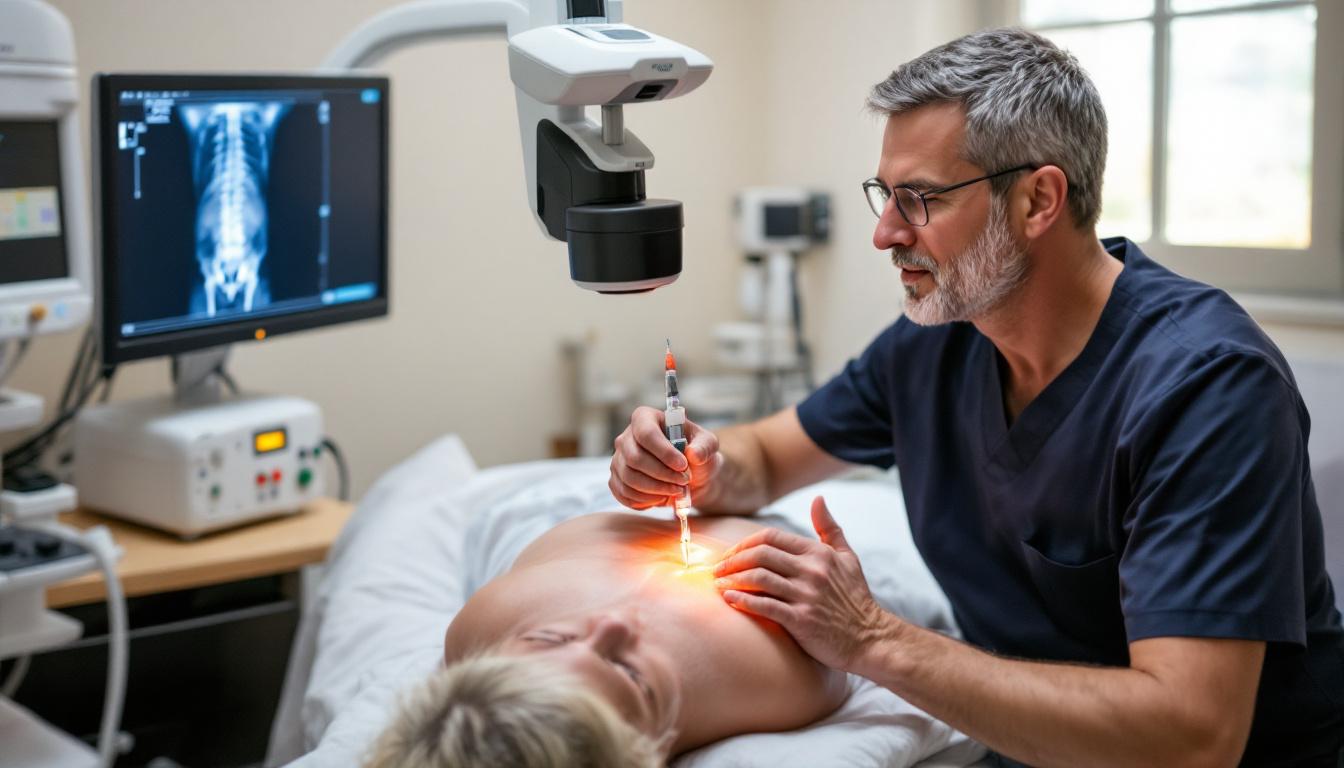
    PRP concentrates your own platelets and delivers growth factors, PDGF, TGF-beta, VEGF, directly into the SI joint under imaging guidance. These factors suppress inflammatory mediators, promote ligament and capsule repair, and stabilize the joint through targeted collagen remodeling.
    SI joint instability, a major driver of dysfunction, involves laxity in the surrounding ligaments. PRP's ability to stimulate collagen synthesis in periarticular tissues addresses this underlying mechanical cause rather than simply masking pain with anti-inflammatory agents.
    Fluoroscopy-guided PRP injection targeting the sacroiliac joint
    Fluoroscopy-guided PRP injection targeting the sacroiliac joint

    What the Research Shows

    A randomized controlled trial (PMID 29726411) compared PRP to corticosteroid for sacroiliac joint dysfunction. PRP patients demonstrated significantly greater improvement in pain and function scores at 3 and 6 months, while the cortisone group showed progressive decline in benefit over the same period.
    A systematic review evaluating biologic injections for SI joint pain (PMID 33964545) concluded that PRP provides durable pain relief and functional improvement, supporting its use as a preferred treatment over repeated corticosteroid injections for chronic SI joint dysfunction.

    PRP vs. Other SI Joint Treatments

    Corticosteroid injections are the most common conventional treatment for SI joint pain but typically provide 4–8 weeks of relief before symptoms return. Repeated injections risk weakening periarticular ligaments. SI joint fusion surgery offers more permanent stabilization but involves significant recovery time and carries surgical risks.
    PRP occupies an important middle ground: more durable than cortisone, less invasive than surgery. For patients who have failed conservative care and want to avoid or delay fusion, PRP offers a meaningful regenerative option with a favorable risk profile.

    Who Is a Candidate for PRP?

    Candidates include patients with confirmed SI joint dysfunction (positive response to diagnostic injection), chronic low back and buttock pain lasting more than 3 months, and those who have not achieved lasting relief with physical therapy or corticosteroid injections.
    Most protocols involve 2–3 PRP injections under fluoroscopy or ultrasound guidance, targeting both the intra-articular space and periarticular ligaments. Improvement is typically progressive over 2–4 months as tissue heals and stabilizes.

    Sources

    1. Randomized controlled trial comparing PRP to corticosteroid for sacroiliac joint dysfunction. PMID 29726411
    2. Systematic review of biologic injections for SI joint pain. PMID 33964545
    Disclaimer: This content is for informational purposes only and does not constitute medical advice. Consult a qualified healthcare provider before pursuing any treatment.
    ApplicationPatient ProfileEvidence LevelTypical ProtocolBest Candidates
    Mechanical SI Joint PainPosterior pelvic pain from SI joint hypermobility or ligamentous laxity, positive provocation testsLevel II–III (prospective studies showing durable relief at 12 months)1–2 peri-articular PRP injections under fluoroscopic guidance, 6 weeks apartPositive FABER, Gaenslen, or thigh thrust tests, failed PT and SI belt trial, confirmed SI joint origin on diagnostic block
    Inflammatory SI Joint DiseaseEarly-stage sacroiliitis without joint fusion, failed NSAIDs and physical therapyLevel III (case series, emerging evidence)1–3 intra-articular injections at 4–6 week intervals, combined with targeted PTConfirmed SI joint origin, no severe joint destruction on CT, inflammatory markers assessed, HLA-B27 testing completed

    Frequently Asked Questions

    Find an SI Joint PRP Specialist Near You

    Connect with a spine or pain medicine specialist experienced in image-guided SI joint PRP therapy.

    Search Specialists

    Other Conditions

    PRP for Achilles Tendinitis

    Explore how PRP injections can treat achilles tendinitis. Learn about platelet-rich plasma therapy benefits, recovery, and results for achilles tendinitis.

    PRP for ACL Injuries

    Explore how PRP injections can treat acl injuries. Learn about platelet-rich plasma therapy benefits, recovery, and results for acl injuries.

    PRP for Ankle Sprains

    Explore how PRP injections can treat ankle sprains. Learn about platelet-rich plasma therapy benefits, recovery, and results for ankle sprains.

    PRP for Carpal Tunnel Syndrome

    Explore how PRP injections can treat carpal tunnel syndrome. Learn about platelet-rich plasma therapy benefits, recovery, and results for carpal tunnel syndr...

    PRP for Chronic Low Back Pain

    Explore how PRP injections can treat chronic low back pain. Learn about platelet-rich plasma therapy benefits, recovery, and results for chronic low back pain.

    PRP for De Quervain's Tenosynovitis

    Explore how PRP injections can treat de quervain's tenosynovitis. Learn about platelet-rich plasma therapy benefits, recovery, and results for de quervain's ...

    PRP for Disc Degeneration

    Explore how PRP injections can treat disc degeneration. Learn about platelet-rich plasma therapy benefits, recovery, and results for disc degeneration.

    PRP for Elbow Bursitis

    Explore how PRP injections can treat elbow bursitis. Learn about platelet-rich plasma therapy benefits, recovery, and results for elbow bursitis.

    PRP for Facet Joint Syndrome

    Explore how PRP injections can treat facet joint syndrome. Learn about platelet-rich plasma therapy benefits, recovery, and results for facet joint syndrome.

    PRP for Frozen Shoulder

    Explore how PRP injections can treat frozen shoulder. Learn about platelet-rich plasma therapy benefits, recovery, and results for frozen shoulder.

    Find a Specialist

    Connect with board-certified providers offering PRP therapy.